Scott Road Bikes
A practical step-by-step guide to scott road bikes, including preparation, instructions, common issues, tips, and next steps.

Scott Road Bikes
This guide explains how to approach scott road bikes, including the preparation, practical steps, common mistakes, and final checks that help you finish with confidence.
Before You Start
Step-by-Step Instructions
Quick Reference
Common Problems When You Use Scott Road Bikes
Even with careful setup, you might encounter a few common issues when getting to grips with your Scott road bike. Knowing how to identify and address them can save you hassle and keep you riding smoothly.
1. Persistent Discomfort or Numbness: If you're experiencing pain in your back, neck, hands, or numbness in your feet after a ride, it's a strong indicator of an improper bike fit. This could be incorrect saddle height, saddle fore-aft position, handlebar reach, or handlebar height. Small adjustments can make a huge difference. For severe or persistent issues, consider a professional bike fit, which uses detailed measurements and analysis to tailor the bike to your body.
2. Poor Gear Shifting: Gears might skip, refuse to shift, or make excessive noise. This is often due to stretched gear cables, bent hanger (the part connecting the rear derailleur to the frame), or incorrect derailleur limit screw settings. Start by checking cable tension; there's usually an inline barrel adjuster on the shifter or derailleur that allows for micro-adjustments. A quarter turn at a time can often resolve minor shifting issues. If the problem persists, the derailleur might need professional adjustment.
3. Brake Rubbing: You might hear a constant scraping sound or feel resistance when coasting. This means a brake pad is touching the rim or rotor (if disc brakes) when it shouldn't be. For rim brakes, check if the wheel is seated correctly in the dropouts or if the brake caliper needs recentering. For disc brakes, it often means the caliper needs to be realigned over the rotor. This usually involves loosening the caliper bolts slightly, squeezing the brake lever, and then re-tightening the bolts while the lever is held.
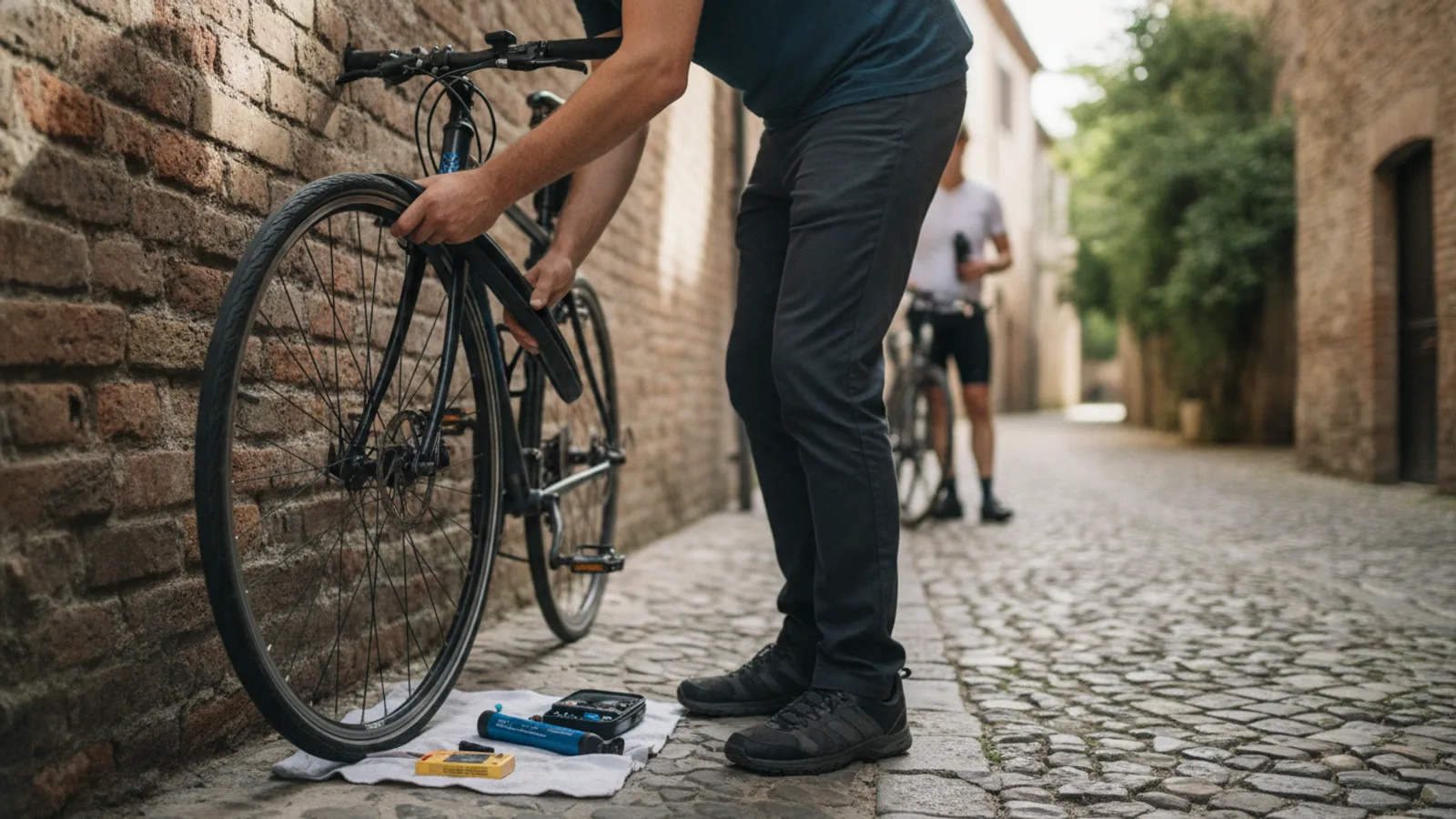
4. Frequent Punctures: If you're getting punctures often, especially pinch flats (two small holes resembling a snakebite), your tyre pressure is likely too low. Always check and inflate your tyres before each ride. Also, regularly inspect your tyres for embedded glass, thorns, or cuts in the tread that could lead to flats. Consider using tyres with better puncture protection if you ride on rougher roads.
5. Chain Noise or Dropping: A noisy chain can indicate a lack of lubrication, excessive wear, or incorrect gear alignment. Clean and lubricate your chain regularly. If the chain is consistently dropping off the chainrings or cassette, it might be due to incorrect derailleur limit screws or a bent chainring. This often requires careful adjustment or replacement of worn components.
Advanced Tips for Scott Road Bikes
Once you've mastered the basics, these advanced tips can help you get even more out of your Scott road bike, improving performance, longevity, and your overall riding experience.
- Invest in a Professional Bike Fit: While initial adjustments are good, a professional bike fit can fine-tune every aspect of your bike to your unique body. This optimises power transfer, improves comfort on long rides, and significantly reduces the risk of injury. It's one of the best investments you can make for serious cycling.
- Master Cadence and Gearing: Instead of pushing big gears slowly, aim for a higher cadence (pedalling rate) in an easier gear. A cadence of 80-100 RPM is generally more efficient and kinder to your knees. Use your gears proactively to maintain this cadence, shifting before climbs or accelerations rather than reacting once you're already struggling.
- Regular Drivetrain Maintenance: Your chain, cassette, and chainrings are vital. Clean and lubricate your chain every 100-200 miles or after every wet ride. Regularly check your chain for wear using a chain wear indicator tool. Replacing a worn chain promptly (typically every 1000-3000 miles) will extend the life of your more expensive cassette and chainrings significantly.
- Learn Basic Wheel Truing: If your wheels develop a slight wobble, learning to make minor truing adjustments with a spoke key can keep them running smoothly and prevent further damage. For significant wobbles, a bike shop is best, but small corrections are a useful skill to learn.
- Upgrade Key Components Strategically: If you're looking to improve performance, consider upgrading wheels first. Lighter, more aerodynamic wheels can make a noticeable difference in speed and climbing. After that, a lighter or more precise groupset (gears and brakes) can also enhance the ride. Research compatibility with your Scott model before purchasing.
- Explore Tubeless Tyre Systems: Many newer Scott road bikes are tubeless-ready. Converting to tubeless tyres can offer lower rolling resistance, improved grip, and better puncture protection, as the sealant inside the tyre can seal small holes automatically. It requires a specific setup but is often worth the effort for keen riders.
- Develop Cornering and Descending Skills: Road cycling isn't just about pedalling. Practice smooth cornering by looking through the turn, leaning the bike more than your body, and feathering the brakes. On descents, stay relaxed, keep your weight back, and use both front and rear brakes smoothly and progressively.
Scott Road Bikes FAQ
Here are answers to some frequently asked questions about Scott road bikes, addressing common concerns for new and experienced riders alike.
Q: What's the main difference between the Scott Addict and Foil?
A: The Scott Addict is designed as a lightweight, all-rounder, and endurance-focused bike, prioritising comfort and climbing ability. The Scott Foil is an aerodynamic (aero) road bike, designed to minimise wind resistance and maximise speed on flat and rolling terrain. If you prioritise comfort and long-distance climbing, the Addict is likely better. If speed and aerodynamics are your primary goal, choose the Foil.
Q: How often should I get my Scott road bike serviced?
A: For general use, a basic service (checking brakes, gears, lubrication) every 3-6 months is a good idea, or after every 1,000 miles (1,600 km), whichever comes first. A more comprehensive annual service (often called a 'major service') is recommended once a year, or after 3,000-5,000 miles (4,800-8,000 km), to check bearings, cables, and other wear items.
Q: Can I use my Scott road bike for commuting?
A: Absolutely! Many Scott road bikes, especially models like the Speedster or Addict, are excellent for commuting. They are efficient and fast, making light work of city distances. You might consider adding mudguards for wet weather and lights for visibility. Some riders also opt for slightly wider, more puncture-resistant tyres for commuting.
Q: What accessories do I need for my Scott road bike?
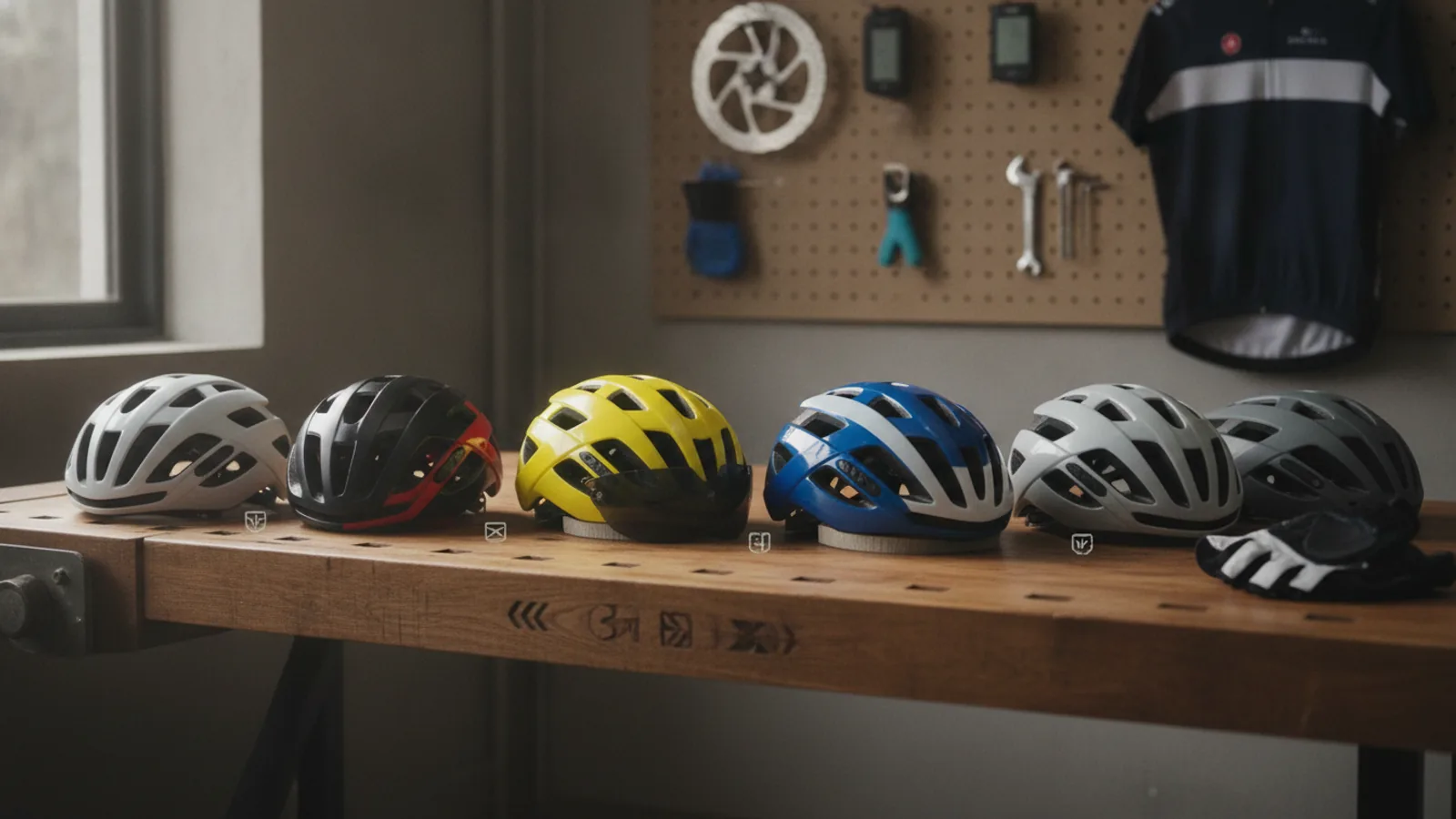
A: Essential accessories include a helmet, lights (front and rear, even for daytime visibility), a pump, a spare inner tube (or tubeless repair kit), tyre levers, and a multi-tool for roadside repairs. Water bottles and cages are also crucial. Beyond that, consider a cycling computer, comfortable cycling shorts, and gloves.
Q: How do I clean my Scott road bike?
A: Regular cleaning keeps your bike running smoothly and extends its lifespan. Use a dedicated bike cleaner, brushes, and sponges. Start by rinsing off loose dirt, then apply cleaner to the drivetrain (chain, cassette, chainrings) and the rest of the bike. Scrub thoroughly, rinse completely, and then dry with a clean cloth. Lubricate the chain afterwards. Avoid high-pressure washers directly on bearings.
Q: What if I have disc brakes on my Scott road bike? How do I care for them?
A: Disc brakes offer superior stopping power, especially in wet conditions. Keep the rotors (the shiny discs) clean and free of oil or grease – use a specific disc brake cleaner if needed. Avoid touching the rotors with your bare hands. If you hear squealing, it could be contaminated pads or rotors, or simply needing bedding in (repeated hard braking from speed). Brake pads will wear down and need replacement when they get thin.
Final Checklist for Scott Road Bikes
Before you embark on your next journey with your Scott road bike, use this final checklist to ensure everything is in order. A quick check can prevent problems and ensure a safe, enjoyable ride.
- Bike Fit Confirmed: Saddle height, handlebar reach, and lever positions are set for your comfort and efficiency.
- Tyres Properly Inflated: Both front and rear tyres are at the correct pressure, within the manufacturer's recommended range.
- Brakes Checked: Both front and rear brakes engage smoothly and effectively, with pads aligned and no rubbing.
- Gears Shifting Smoothly: All gears engage cleanly without hesitation or excessive noise, and the chain isn't cross-chained.
- Quick Releases/Thru-Axles Tight: Wheels are securely fastened in the frame and fork.
- Headset and Stem Secure: Handlebars are straight and tight, and there's no play in the headset.
- Pedals Tight: Pedals are securely screwed into the crank arms.
- Chain Lubricated: The chain is clean and has a fresh application of lubricant for smooth operation.
- Helmet On and Adjusted: Your helmet fits snugly and securely, with straps fastened.
- Essential Tools Packed: Multi-tool, spare inner tube (or patch kit), tyre levers, and a mini-pump are in your saddle bag or jersey pocket.
- Water and Nutrition Ready: Water bottles are filled, and any necessary snacks are packed for longer rides.
- Route Planned: You know where you're going, especially for car-free city journeys or new bicycle routes.
FAQ
What should I check before I start?
Check the goal, the key prerequisite, and any current instructions that could change the safest next step for scott road bikes.
How can I tell whether the result is working?
Use the practical checks in the guide, pause if a required step is unclear, and verify the finished result against the intended outcome.