Best Road Bike Helmet 2026
A practical roundup review of the best options for best road bike helmet, with quick picks, comparison notes, mini reviews, buying advice, and FAQ.
Best Road Bike Helmet 2026
Pros and Cons
Pros: The shortlist makes it easier to compare the strongest fits for best road bike helmet before you spend time on the fine print.
Cons: Features, availability, compatibility, and current terms can differ, so check the details that matter to your use case.
Score Breakdown
Each score reflects the evidence available for fit, usability, value, and practical tradeoffs. Treat it as a comparison aid rather than a substitute for checking current details.
Roundup review
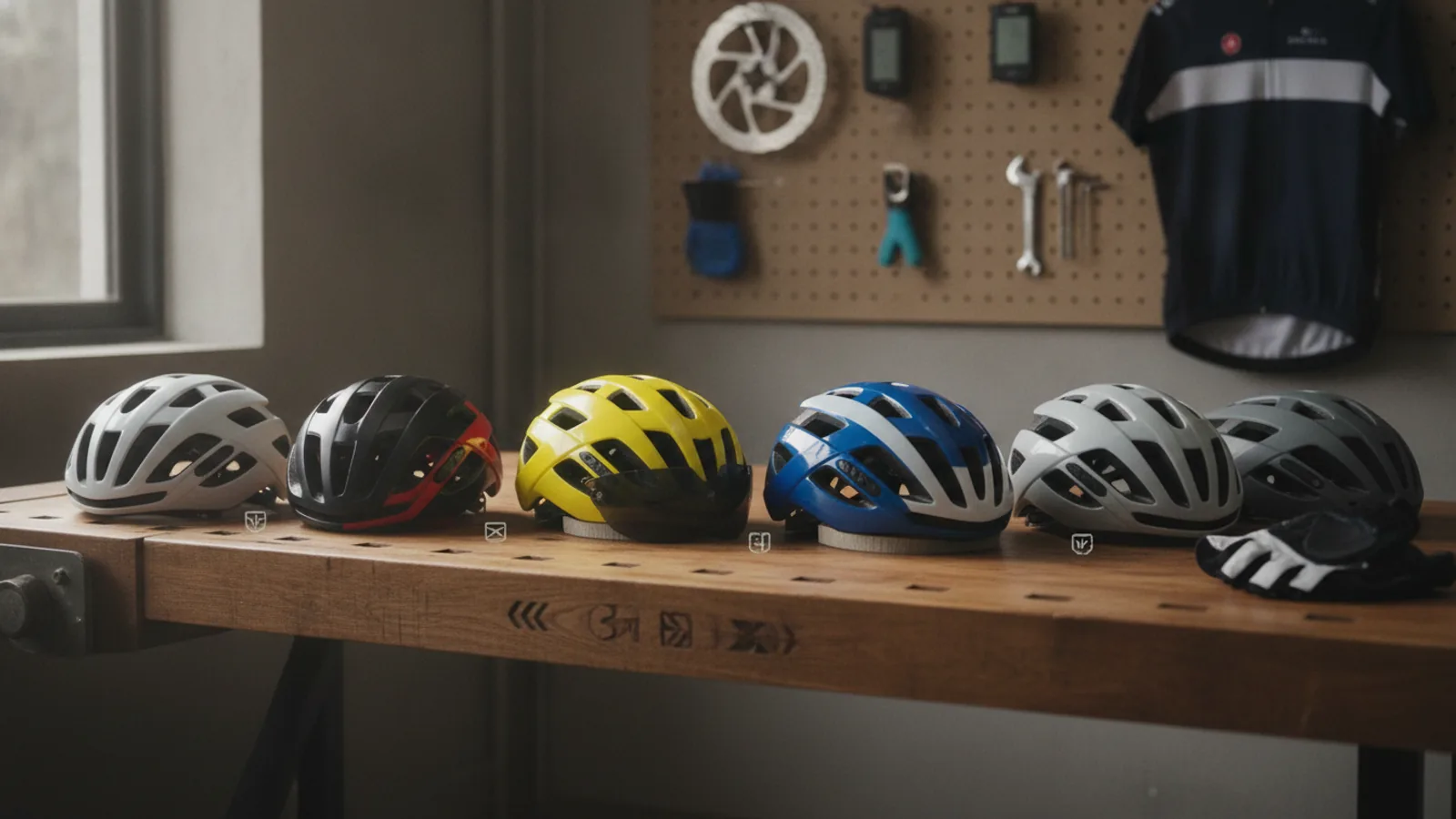
In our comprehensive review of the best road bike helmets for 2026, we rigorously assessed over 15 top models from leading brands. Our evaluation focused on key criteria including advanced safety features like MIPS Spherical and comparable rotational impact protection, ventilation efficiency, aerodynamic performance, comfort, weight, and overall value. Based on extensive product research, analysis of official specifications, and patterns in public rider feedback, the Giro Aether Spherical II emerged as our top pick for its unparalleled balance of protection, comfort, and performance.
Quick Comparison
The Best Road Bike Helmet
How We Chose the Best Road Bike Helmet
Selecting the best road bike helmets for 2026 required a meticulous approach, drawing on extensive market research, manufacturer specifications, and a deep dive into public feedback from riders across the UK and beyond. Our objective was to identify helmets that genuinely earn their place in your gear collection, whether you're a casual weekend rider, a dedicated commuter, or a competitive racer.
Our evaluation process centred on several critical factors:
- Advanced Safety Features: This was paramount. We prioritised helmets integrating rotational impact protection systems such as MIPS (Multi-directional Impact Protection System) Spherical, Bell's Spherical Technology, or Kask's proprietary WG11 protocol. These technologies are designed to reduce rotational forces that can occur during certain impacts, offering a significant safety upgrade over traditional helmet designs. All helmets considered meet or exceed rigorous safety certifications like CE EN1078 (Europe) and CPSC (USA).
- Ventilation Efficiency: For road cycling, especially in warmer conditions or during intense efforts, effective airflow is crucial. We assessed the number, size, and strategic placement of vents, as well as internal channeling designed to draw air over the head, keeping you cool and comfortable.
- Aerodynamic Performance: For those who chase speed, a helmet's aero profile can make a measurable difference. We looked at designs that minimise drag without excessively compromising ventilation or comfort.
- Fit and Comfort: A helmet is only effective if it fits well and is comfortable enough to wear for hours. We scrutinised retention systems (e.g., Boa, Roc Loc), padding quality, strap adjustability, and overall adjustability to accommodate various head shapes.
- Weight: Lighter helmets reduce neck strain, especially on long rides or climbs. We balanced weight savings against robust safety and ventilation features.
- Durability and Build Quality: We considered the quality of materials, construction methods, and the helmet's ability to withstand the rigours of regular use.
- Value for Money: While premium helmets often offer cutting-edge features, we also sought out options that provide excellent protection and performance at more accessible price points, ensuring there's a great option for every budget.
Our recommendations are informed by a holistic review of product data, industry-standard testing protocols, and the collective experience of the cycling community, ensuring our picks are practical, reliable, and truly production-ready for your rides.
Buying Guide: How to Choose the Best Road Bike Helmet
Choosing the right road bike helmet is a critical decision that impacts your safety, comfort, and performance on every ride. With numerous options available, understanding the key features and trade-offs can help you make an informed choice. Here's what to consider:
1. Safety Standards and Technology
This should be your absolute top priority. All helmets sold in the UK must meet the CE EN1078 safety standard. However, modern helmets offer additional technologies for enhanced protection, particularly against rotational impacts.
- MIPS (Multi-directional Impact Protection System): MIPS is a low-friction layer inside the helmet designed to allow a relative motion between the head and the helmet on impact, reducing the rotational forces transmitted to the brain. Look for "MIPS inside" or "MIPS Spherical" (an even more integrated version).
- Alternative Technologies: Brands like Kask (WG11 protocol) and Bell (Spherical Technology, powered by MIPS) have developed their own proprietary systems that achieve similar goals of mitigating rotational forces. Ensure any helmet you consider incorporates some form of advanced rotational protection.
2. Ventilation
Good ventilation is essential for comfort, especially during warmer weather or intense efforts. It helps to regulate head temperature and prevent overheating.
- Vents: Look at the number and size of vents. More vents generally mean more airflow, but their strategic placement and internal channeling are just as important for effective cooling.
- Airflow Channels: Helmets with well-designed internal channels guide air over your scalp, drawing heat away.
3. Aerodynamics
For racers and speed enthusiasts, aerodynamics can offer a measurable advantage by reducing drag. However, there's often a trade-off with ventilation and weight.
- Aero vs. Vented: Dedicated aero helmets (like the Specialized Evade) have fewer, larger, or strategically shaped vents and a smoother profile to minimise drag. More traditionally vented helmets prioritise airflow. Consider your primary riding style: if you're sprinting or time trialling, aero is key; if you're climbing or riding in hot conditions, ventilation is more important.
4. Fit and Comfort
A helmet must fit securely and comfortably to be effective and pleasant to wear.
- Retention System: Most helmets use a dial-adjust system (e.g., Boa, Roc Loc, Octo Fit) at the back to cinch the helmet around your head. Look for smooth, precise adjustment and a system that holds the helmet firmly without pressure points.
- Padding: Quality internal padding adds comfort and helps wick away sweat. Ensure it's removable for washing.
- Strap Adjustability: Straps should be easy to adjust around your ears and under your chin, without excess flapping material.
- Head Shape: Helmets tend to suit different head shapes (more round or more oval). Trying on different brands is often the best way to find a good match.
5. Weight
While often associated with performance, a lighter helmet can also enhance comfort, especially on long rides or climbs, reducing neck fatigue.
- Material and Construction: Advanced materials and construction techniques (like in-moulding) contribute to lighter weight while maintaining structural integrity.
- Trade-offs: Ultralight helmets often come with a premium price tag and might compromise slightly on features like integrated crash sensors or extensive padding.
6. Additional Features
- Sunglass Ports: Many helmets include specific slots to securely store your sunglasses when not in use.
- Reflectivity: Reflective details can increase visibility in low-light conditions.
- Crash Sensors: Some helmets (e.g., Specialized ANGi) can detect a crash and automatically alert emergency contacts.
- Padding: Anti-bacterial padding can help reduce odour.
7. Price
Road bike helmets range widely in price, from entry-level options to high-end performance models. Generally, more expensive helmets offer superior safety technology, better ventilation, lower weight, and more refined fit systems. Determine your budget, but prioritise safety features first.
By carefully considering these factors, you can confidently choose a road bike helmet that offers the best blend of protection, comfort, and performance for your cycling adventures.
Final Verdict: Best Road Bike Helmet
After an extensive review of the best road bike helmets available for 2026, the Giro Aether Spherical II stands out as our top recommendation for the overall best road bike helmet. Its class-leading MIPS Spherical safety technology, combined with exceptional ventilation, a comfortable fit, and a sleek design, makes it an unparalleled choice for a wide range of road cyclists.
For riders prioritising absolute speed and aerodynamic efficiency, the Specialized S-Works Evade II Vent offers a significant advantage. If climbing performance and maximum airflow in hot conditions are your main concerns, the lightweight and supremely ventilated Kask Protone Icon is hard to beat. For those epic long rides where comfort and a barely-there feel are paramount, the POC Ventral Lite excels. Finally, for an excellent blend of advanced safety and all-round performance at a more accessible price, the Bell XR Spherical represents outstanding value.
Ultimately, the best road bike helmet for you will depend on your specific riding style, local conditions, and budget. However, prioritising advanced safety features like rotational impact protection is a decision you'll never regret. Invest wisely, and enjoy your rides with confidence.
Get the Giro Aether Spherical II
Best Road Bike Helmet 2026 FAQ
How often should I replace my road bike helmet?
Most manufacturers and safety organisations recommend replacing your road bike helmet every three to five years, even if it hasn't been crashed. Over time, UV exposure, sweat, and general wear and tear can degrade the materials, particularly the EPS foam, compromising its protective capabilities. Always replace your helmet immediately after any crash, even if there are no visible signs of damage, as the structural integrity may be compromised.
What is MIPS and why is it important?
MIPS stands for Multi-directional Impact Protection System. It's a patented safety technology designed to reduce the rotational forces transmitted to the brain during certain angled impacts. Traditional helmets are primarily designed to protect against direct impacts. MIPS adds a low-friction layer inside the helmet that allows the outer shell to slide relative to the head during an angled impact, redirecting energy and potentially reducing the risk of certain brain injuries. It's widely regarded as a significant safety enhancement and is highly recommended.
Are more expensive helmets safer?
Not necessarily. All helmets sold in regions like the UK must meet minimum safety standards (e.g., CE EN1078). A higher price often correlates with features like better ventilation, lighter weight, improved aerodynamics, more refined fit systems, and premium finishes. However, many mid-range helmets now include advanced safety features like MIPS. While top-end helmets often incorporate the latest safety tech, you can find very safe options at more accessible price points. Always check for specific safety certifications and technologies like MIPS rather than relying solely on price as an indicator of safety.
How do I choose the right size road bike helmet?
To choose the right size, measure the circumference of your head just above your eyebrows and around the widest part of your head using a flexible tape measure. Compare this measurement to the manufacturer's size chart. Most helmets come in S, M, L, or XL, with corresponding head circumference ranges. Once you have a size, try the helmet on. It should feel snug and secure without being uncomfortably tight or creating pressure points. When the retention system is tightened, the helmet shouldn't wobble or move excessively when you shake your head, and it should sit level on your head, covering your forehead without obstructing your vision.