Road Bikes For Men
A practical step-by-step guide to road bikes for men, including preparation, instructions, common issues, tips, and next steps.

Road Bikes For Men
This guide explains how to approach road bikes for men, including the preparation, practical steps, common mistakes, and final checks that help you finish with confidence.
Before You Start
Before you dive into the specifics of road bikes, a little preparation goes a long way. This ensures you're looking at the right bikes, getting accurate measurements, and prioritising your comfort and safety from the outset.
What You Need
Safety, Timing, or Context Checks
Step-by-Step Instructions
Quick Reference
Common Problems When You Road Bikes For Men
Even with careful selection and setup, you might encounter some common issues. Knowing how to diagnose and address them can save you discomfort and keep you riding happily.
Incorrect Frame Size
Problem: This is arguably the biggest mistake new riders make. An ill-fitting frame can lead to constant discomfort, aches in your back, neck, and shoulders, and inefficient power transfer. You might feel too stretched out, too cramped, or unable to comfortably reach the ground when stopped.
Fix: If the frame is fundamentally too large or too small, a professional bike fit can only do so much. The best solution is to ensure correct sizing before purchase through test rides and comparing geometry charts. If already purchased, a professional bike fitter can advise if small adjustments (like a different stem length or seatpost setback) can help, or if the bike truly isn't suitable.
Saddle Soreness or Numbness
Problem: Many new road cyclists experience saddle discomfort. This can range from general soreness in the sit bones to numbness in the perineal area. It's often due to an incorrect saddle, wrong saddle height, incorrect fore-aft position, or simply not being used to cycling.
Fix: First, ensure your saddle height and fore-aft position are correct as per Step 6. Wear good quality padded cycling shorts. If discomfort persists, consider trying a different saddle. Saddles come in various shapes, widths, and padding levels; what works for one person might not for another. Many bike shops offer saddle demo programs. Building up ride time gradually also helps your body adapt.
Hand Numbness or Wrist Pain
Problem: Numbness in fingers or pain in wrists and shoulders is usually a sign of too much weight being placed on your hands, often due to an incorrect handlebar setup or a weak core, forcing you to lean heavily on your arms.
Fix: Revisit your handlebar reach and drop (Step 7). Try raising the handlebars slightly by adding spacers under the stem, or using a shorter stem. Rotate your handlebars to ensure the ramps (where you place your hands on the hoods) are flat. Strengthening your core muscles can also significantly alleviate this, as a strong core supports your upper body, taking pressure off your hands and arms. Wearing padded cycling gloves can offer some relief.
Knee Pain
Problem: Knee pain is a common cycling ailment and almost always points to an issue with saddle height or position, or cleat setup if you're using clipless pedals. Pain behind the knee often indicates a saddle that's too high; pain in front of the knee suggests a saddle that's too low.
Fix: Make small, incremental adjustments to your saddle height (Step 6), changing by just a few millimetres at a time and testing the new position on a short ride. Ensure your saddle isn't too far forward or back. If you use clipless pedals, ensure your cleats are positioned correctly, allowing for natural knee tracking. If pain persists after these adjustments, consider consulting a professional bike fitter.
Advanced Tips for Road Bikes For Men
Once you're comfortable with the basics of your road bike, these advanced tips can help you further enhance your performance, comfort, and riding enjoyment.
Invest in a Professional Bike Fit
While the initial setup steps are crucial, a professional bike fit is a worthwhile investment for serious riders or anyone experiencing persistent discomfort. A trained bike fitter uses specialised tools and expertise to precisely adjust every aspect of your bike (saddle height, fore-aft, tilt, handlebar reach, drop, cleat position) to perfectly match your unique body mechanics and riding goals. This can unlock significant improvements in comfort, power output, and injury prevention, making every ride more efficient and enjoyable.
Adopt Clipless Pedals
Clipless pedals (which, paradoxically, you "clip into") offer a huge advantage for road cycling. They connect your feet securely to the pedals, allowing you to not only push down but also pull up and scrape through the bottom of the pedal stroke. This engages more muscles, significantly improves pedalling efficiency, and gives you a more fluid, powerful stroke.
There's a learning curve to clipping in and out, so practise in a safe, open space before heading out onto busy roads. Start by leaning against a wall or holding onto something for balance, repeatedly clipping in and out until it becomes second nature.
Optimise Tyre Pressure
The "correct" tyre pressure isn't simply the maximum pressure listed on your tyre sidewall. Optimal tyre pressure depends on several factors: your weight, tyre width, and road conditions. Running your tyres too hard can lead to a harsh, uncomfortable ride and reduced grip. Too soft, and you risk pinch flats and sluggish performance.
Generally, wider tyres (e.g., 28mm) can be run at lower pressures than narrower ones (e.g., 23mm). A good starting point is to use online tyre pressure calculators (search for "tyre pressure calculator bike") which factor in your weight and tyre size. Experiment slightly to find the sweet spot that offers a comfortable ride with good grip without feeling sluggish.
Master Basic Bike Maintenance
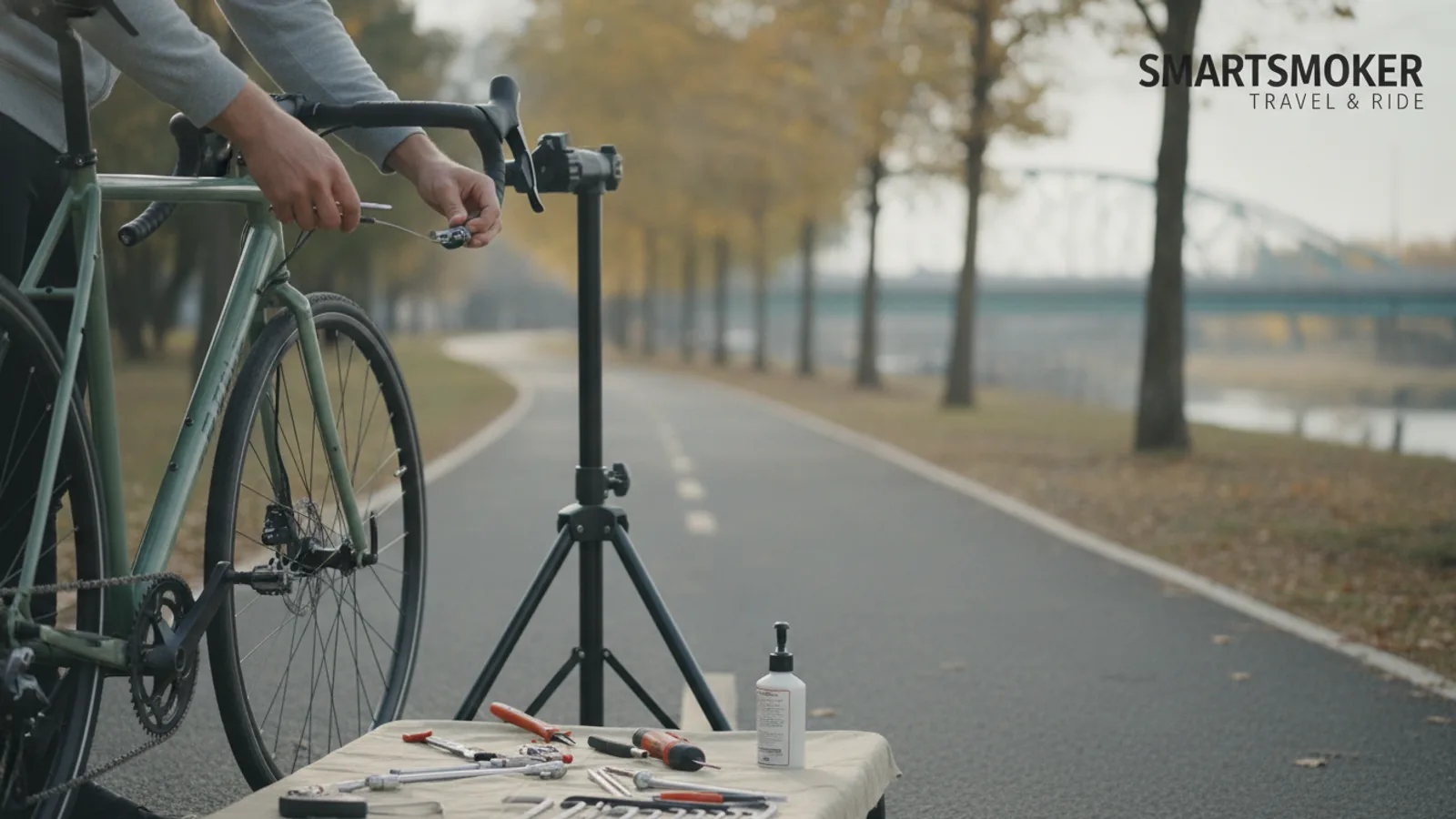
Regular, simple maintenance significantly extends the life of your components and keeps your bike running smoothly. Learn how to clean and lubricate your chain regularly (every 100-200 miles or after wet rides), check your tyre pressure before every ride, and inspect your brake pads for wear. Understanding how to make minor gear adjustments and tightening loose bolts will save you trips to the bike shop.
There are numerous online tutorials and local workshops that can teach you these essential skills. A clean, well-maintained bike is a joy to ride and far less likely to leave you stranded.
Focus on Cadence Training
Cadence refers to your pedalling revolutions per minute (RPM). Many new cyclists tend to "push" big gears at a low cadence. While this feels powerful, it's often inefficient and puts more strain on your knees. Road cycling is generally more efficient and kinder to your body when you maintain a higher, smoother cadence (typically 80-100 RPM) by using easier gears.
Practise spinning your legs faster in easier gears. A cycling computer with a cadence sensor can provide valuable feedback. This not only improves your cardiovascular fitness but also reduces fatigue on longer rides and minimises stress on your joints.
Road Bikes For Men FAQ
What's the best road bike for a beginner man?
For most men new to road cycling, an endurance road bike is highly recommended. These bikes feature a more relaxed geometry compared to race bikes, meaning a slightly taller head tube and shorter top tube. This results in a more upright and comfortable riding position, which is less taxing on the back and neck, making it ideal for longer rides, commutes, and building fitness without excessive discomfort.
How much should I expect to spend on a decent road bike in the GB market?
The price range for road bikes is vast. For a good quality, entry-level road bike with reliable components (like a Shimano Claris or Sora groupset), you should expect to spend roughly £700-£1,200. If you're looking for better performance, lighter weight, and more advanced components (e.g., Shimano 105), the mid-range typically falls between £1,500-£3,000. High-performance or carbon fibre models can easily exceed £3,000.
Can I use a road bike for daily commuting?
Absolutely, many road bikes make excellent commuters, especially if your route is primarily on paved roads. Their speed and efficiency can significantly reduce travel time. However, consider adding practical accessories like mudguards (fenders) to keep you dry in wet weather, and a pannier rack or frame bag if you need to carry luggage or groceries. Some road bikes have hidden mounts for these accessories.
What's the main difference between men's and women's road bikes?
Historically, "men's" and "women's" bikes often featured different frame geometries, with women's bikes typically having shorter top tubes to accommodate perceived average differences in torso and arm length. However, modern bike design increasingly focuses on unisex frames with adaptable contact points. Many brands now offer the same frame but will spec different saddles, narrower handlebars, or shorter cranks on models marketed towards women, assuming average anatomical differences. The most important factor is always a proper fit for the individual rider, regardless of gendered marketing.
How often should I get my road bike serviced?
A comprehensive annual service (or "tune-up") is generally recommended, especially if you ride regularly. This typically involves checking and adjusting brakes and gears, inspecting the drivetrain for wear, truing wheels, and lubricating components. If you ride very frequently or in harsh conditions (e.g., wet, muddy), you might need a service every 6 months. In between services, regular cleaning, chain lubrication, and tyre pressure checks (as part of your own basic maintenance) will keep your bike running optimally.
Final Checklist for Road Bikes For Men
Before you hit the road for your first serious ride, run through this quick checklist to ensure everything is in order for a safe and enjoyable journey.
Riding goals clearly defined: You know what you want the bike for.
Body measurements taken accurately: Height, inseam, arm/torso length noted.
Frame size chosen correctly: Based on measurements and test rides.
Test rides completed: You've ridden various models and confirmed comfort.
Saddle height and fore-aft adjusted: Provides optimal leg extension and power.
Handlebar reach and drop comfortable: No excessive strain on hands, back, or neck.
Brake levers easily accessible: You can comfortably reach and operate them from the hoods and drops.
Tyre pressure checked and optimised: Matched to your weight and conditions.
All bolts checked for tightness: Especially stem, handlebars, seatpost, and wheels.
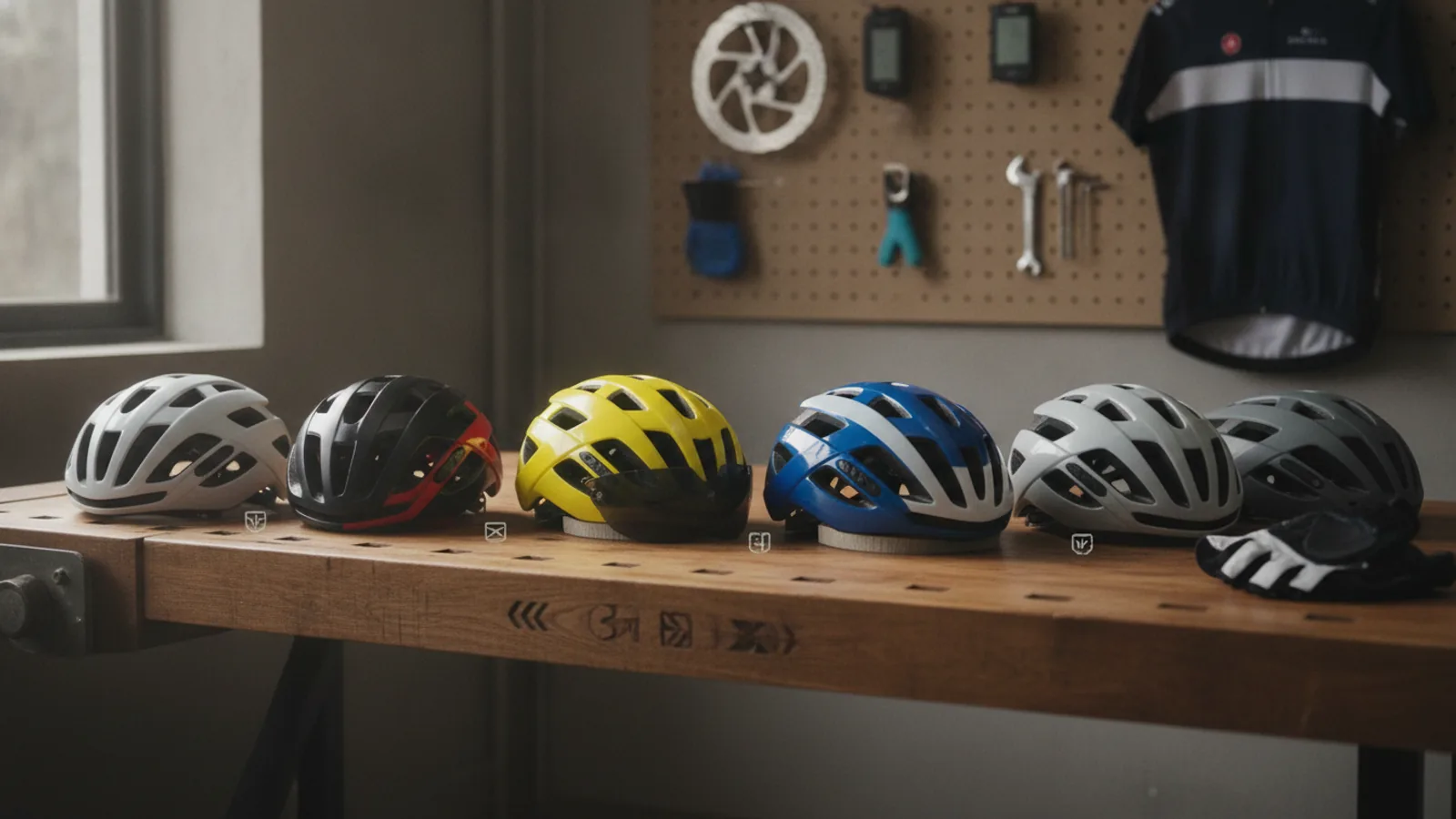
Essential safety gear acquired: Helmet, front and rear lights, bell.
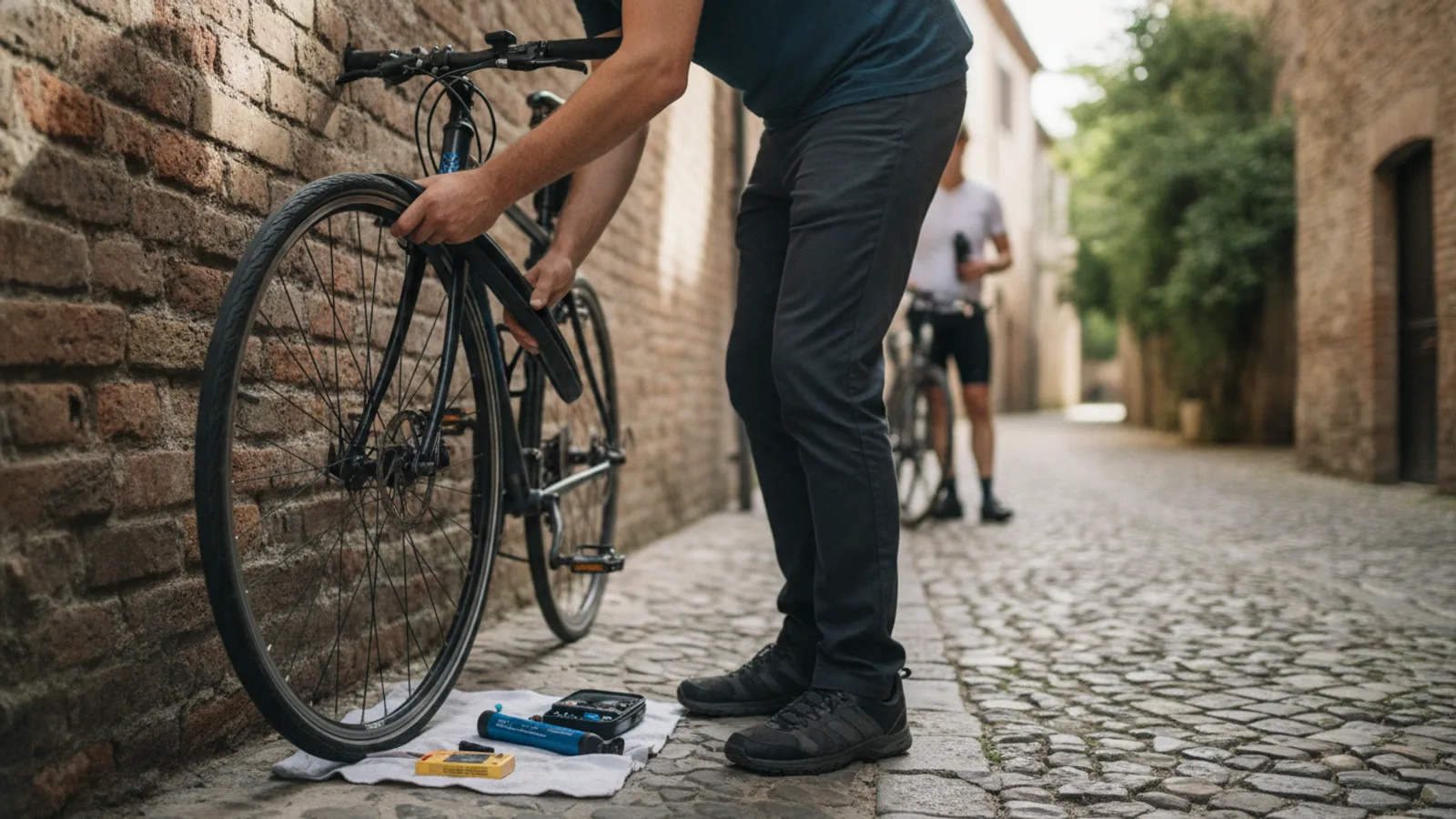
Puncture repair kit assembled: Tyre levers, spare tube/patches, pump/CO2 on board.
Hydration covered: Water bottles in cages, ready for your ride.