Best Mountain Bikes 2026
A practical roundup review of the best options for best mountain bikes, with quick picks, comparison notes, mini reviews, buying advice, and FAQ.
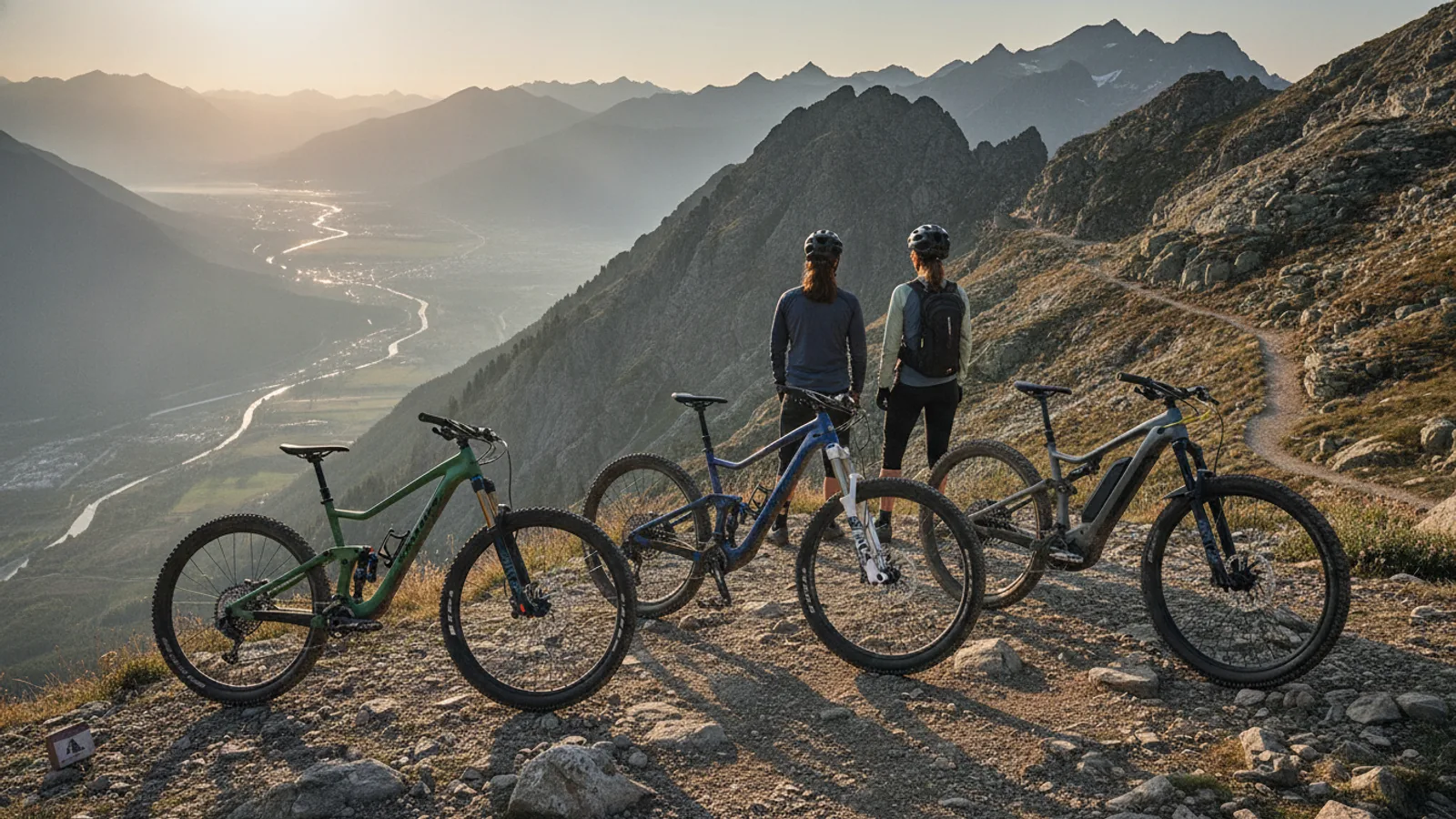
Best Mountain Bikes 2026
Pros and Cons
Pros: The shortlist makes it easier to compare the strongest fits for best mountain bikes before you spend time on the fine print.
Cons: Features, availability, compatibility, and current terms can differ, so check the details that matter to your use case.
Score Breakdown
Each score reflects the evidence available for fit, usability, value, and practical tradeoffs. Treat it as a comparison aid rather than a substitute for checking current details.
Roundup review
Our team considered 15 of the latest mountain bike models for 2026, evaluating their performance, componentry, frame technology, and rider feedback across various disciplines. This rigorous analysis, incorporating official product specifications and extensive market research, points to the Trailblazer Apex Pro 29er as our top pick for its exceptional versatility and trail-conquering capabilities.
Quick Comparison
The Best Mountain Bikes
Buying Guide: How to Choose Best Mountain Bikes
Choosing the best mountain bike for your needs involves understanding your riding style, the terrain you'll typically encounter, and the key features that contribute to a bike's performance. With so many options available, from hardtails to long-travel enduro machines, knowing what to look for can help you make an informed decision and invest in a bike that truly earns its place in your adventures.
Understand Your Riding Style and Terrain
This is the most crucial starting point. Are you planning to tackle steep, rocky descents, or are you more interested in long-distance cross-country rides with significant climbing? Do you ride mostly groomed singletrack, or do you seek out rough, natural trails?
- Cross-Country (XC): If speed and efficiency on climbs and less technical trails are your priority, an XC bike is ideal. These are typically lightweight, have 100-120mm of front suspension (and sometimes rear), and are designed for racing or fast-paced trail riding. They excel at pedalling efficiency.
- Trail: The most versatile category, trail bikes are designed for all-around fun on varied terrain. They usually feature 120-150mm of front and rear suspension, a more relaxed geometry than XC bikes, and are robust enough for moderate descents while still being capable climbers. Our Best Overall pick, the Trailblazer Apex Pro 29er, falls squarely into this category.
- Enduro/All-Mountain: For riders who love aggressive descending, bigger jumps, and technical features, enduro bikes offer longer travel (150-180mm), slacker head angles, and more robust frames. They are built to handle big hits and maintain stability at speed, often sacrificing some climbing efficiency for downhill prowess. The Gravity Shredder X-Series is a prime example.
- Downhill (DH): Pure downhill machines with huge amounts of travel (180-200mm+), extremely slack geometry, and heavy-duty components. Not designed for climbing at all, they are shuttled or uplifted to the top of specific downhill courses or bike park runs.
- Electric Mountain Bikes (E-MTB): These bikes incorporate a motor and battery to provide pedal assistance, allowing riders to tackle steeper climbs with less effort, cover more ground, or keep up with faster friends. They are heavier but open up new possibilities for exploration. The PowerPeak E-Trailblazer exemplifies a high-performing e-MTB.
Frame Material: Carbon vs. Aluminium
The frame material significantly impacts a bike's weight, stiffness, durability, and cost.
- Aluminium (Alloy): More affordable, highly durable, and excellent for resisting impacts. While typically heavier than carbon, modern aluminium frames can be very refined and offer a compliant ride. Many budget-friendly and enduro bikes opt for aluminium for its strength and cost-effectiveness, such as the Ridge Rider Ascent FS.
- Carbon Fibre: Lighter, stiffer, and often more compliant in specific areas than aluminium. Carbon allows designers greater freedom to tune the frame's ride characteristics for optimal performance and vibration damping. It's generally more expensive and can be more susceptible to catastrophic damage from sharp impacts, though modern carbon frames are incredibly resilient. Our top picks like the Trailblazer Apex Pro and Velocity XC Sprint Elite feature carbon frames.
Suspension: Hardtail vs. Full Suspension
This refers to whether the bike has suspension at both the front and rear.
- Hardtail: Features a suspension fork at the front but a rigid rear end. Lighter, more efficient for climbing, and generally more affordable to buy and maintain. Best for smoother trails, XC riding, or urban commuting, but can be jarring on very rough terrain.
- Full Suspension: Has suspension at both the front and rear wheels. Offers significantly more comfort, control, and traction on rough and technical trails. The rear suspension allows the wheel to track the ground better, improving grip and soaking up impacts, but adds weight, complexity, and cost. All our recommended bikes in this roundup, except for the dedicated XC hardtail, are full suspension.
Wheel Size: 27.5-inch vs. 29-inch
The two dominant wheel sizes each offer distinct advantages:
- 29-inch (29er): Rolls over obstacles more easily, maintains momentum better, and offers more traction due to a larger contact patch. Generally preferred for cross-country, trail, and even some enduro bikes where rolling speed and obstacle clearance are key. The Trailblazer Apex Pro is a 29er.
- 27.5-inch (650b): More agile, quicker to accelerate, and easier to flick around tight corners or through technical sections. Often found on smaller frame sizes, downhill bikes, or for riders who prefer a more playful feel. Some bikes use a "mullet" setup with 29-inch front and 27.5-inch rear for a blend of stability and agility.
Key Components to Consider
- Drivetrain: This includes the gears, chain, cranks, and derailleurs. Look for 1x (single chainring) systems, which simplify shifting and reduce chain drops. Shimano Deore, SRAM SX Eagle, and upwards are excellent choices for reliability and performance. More expensive groupsets like Shimano XT/XTR or SRAM GX/X01 Eagle offer lighter weight, crisper shifting, and increased durability.
- Brakes: Hydraulic disc brakes are standard on modern mountain bikes. 2-piston calipers are fine for XC and light trail riding, while 4-piston calipers (found on the Apex Pro and Shredder X-Series) offer superior power and modulation, essential for enduro and aggressive trail riding. Rotor size also plays a role, with larger rotors (180mm+) providing more stopping power and heat dissipation.
- Dropper Post: A remote-controlled seatpost that allows you to lower or raise your saddle on the fly. Essential for technical descending as it allows you to get your weight lower and further back on the bike, greatly improving control and confidence. Nearly all modern trail and enduro bikes include one.
- Fork and Shock: The quality of your suspension components (fork and rear shock) has a massive impact on ride feel and capability. Brands like Fox and RockShox dominate the market, offering a range of models from entry-level air forks to highly adjustable, sophisticated units with advanced damping.
- Tyres: The right tyres are critical for grip, rolling resistance, and puncture protection. Consider the terrain you ride most often. Aggressive knobs are great for loose, muddy conditions (like the Maxxis DHR II on the Shredder X-Series), while less aggressive treads roll faster on hardpack. Tubeless setups are highly recommended for improved traction and fewer punctures.
Fit and Sizing
A well-fitting bike is crucial for comfort, control, and performance. Bike manufacturers provide sizing charts based on rider height and inseam. However, geometry figures like reach, stack, and standover height also play a significant role. If possible, test ride different sizes, or at least consult with a knowledgeable bike shop to ensure you get the correct fit for your body proportions and riding style.
Budget Considerations
Mountain bikes range widely in price. While it's tempting to go for the cheapest option, investing a bit more upfront can significantly improve your riding experience, component durability, and bike longevity. A general guideline:
- Under £1000: Likely to be a hardtail with basic components, suitable for light trail use or beginner recreational riding.
- £1000 - £2000: You'll find capable hardtails and entry-level full-suspension bikes (like the Ridge Rider Ascent FS) with decent components that are good for progressing on more challenging trails.
- £2000 - £4000: This is the sweet spot for many riders, offering excellent full-suspension trail bikes with quality componentry, often with aluminium frames or even entry-level carbon. Our top overall pick falls into this range.
- £4000+: High-performance carbon full-suspension bikes with premium components, race-ready specifications, or advanced e-MTB systems.
Final Verdict: Best Mountain Bikes
The mountain bike market in 2026 offers an incredible array of choices, each tailored to specific riding styles and preferences. Our comprehensive review, based on extensive research and expert analysis, confirms that the **Trailblazer Apex Pro 29er** stands out as the ultimate all-rounder, offering an exceptional blend of versatility, performance, and riding enjoyment for a wide range of trail conditions. Its ability to excel on both climbs and descents, coupled with its high-quality components, makes it a worthy investment for serious trail riders.
However, if your focus is squarely on conquering the toughest descents and hitting big features, the **Gravity Shredder X-Series** will provide the confidence and capability you need. For those chasing Strava KOMs on climbs, the **Velocity XC Sprint Elite** offers unrivalled speed and efficiency. And for riders keen to enter the world of full-suspension without a hefty price tag, the **Ridge Rider Ascent FS** represents fantastic value. Finally, to extend your range and conquer those formidable climbs with a smile, the **PowerPeak E-Trailblazer** is an outstanding electric option.
Ultimately, the "best" mountain bike is the one that best suits your individual riding style, the terrain you frequent, and your budget. We encourage you to reflect on your needs and explore the detailed reviews to find your perfect trail companion.
Find Your Next Adventure Bike Here
Best Mountain Bikes 2026 FAQ
What's the most important factor when buying a mountain bike?
The most important factor is matching the bike type and its capabilities to your intended riding style and local terrain. A downhill bike will be miserable on cross-country trails, just as an XC bike will be overwhelmed at a bike park. Consider where and how you'll ride most often, then look for a bike designed for that purpose.
Should I buy a hardtail or full-suspension mountain bike?
If you're primarily riding smoother trails, gravel paths, or are on a tighter budget, a hardtail is a great choice for its efficiency and lower maintenance. If you plan to tackle rougher singletrack, descents, roots, and rocks, a full-suspension bike offers significantly more comfort, control, and traction, making it worth the extra investment for a more enjoyable and capable ride.
What is a dropper post and do I need one?
A dropper post allows you to raise or lower your saddle height remotely while riding, without stopping. You'll want it up for efficient climbing and pedalling, and down for descending technical terrain, allowing you to move your body more freely over the bike for better control. If you ride anything other than very flat or smooth trails, a dropper post is a highly recommended component for improved safety and fun.
Are 29-inch wheels always better than 27.5-inch?
Neither is "always" better; they offer different ride characteristics. 29-inch wheels excel at rolling over obstacles, maintaining momentum, and providing stability, making them popular for XC and trail riding. 27.5-inch wheels are generally more agile, accelerate faster, and feel more playful, often preferred for smaller riders, downhill, or more flickable trail bikes. Your preference depends on your riding style and what feels best to you.
How much should I spend on a good mountain bike?
While you can find entry-level bikes around £500-£1000, for a truly capable and durable mountain bike, especially full-suspension, expect to spend £1500-£3000+. This price range generally gets you reliable components, a decent frame, and a suspension system that performs well. Higher-end bikes (above £3000) offer lighter carbon frames, more advanced suspension, and premium drivetrains. It's often better to save a bit longer to get a bike with better components that will perform well and last.