700c Road Bike Tires
A practical step-by-step guide to 700c road bike tires, including preparation, instructions, common issues, tips, and next steps.
700c Road Bike Tires
This guide explains how to approach 700c road bike tires, including the preparation, practical steps, common mistakes, and final checks that help you finish with confidence.
Before You Start
Step-by-Step Instructions
Quick Reference
Common Problems When You Maintain 700c Road Bike Tires
Even with careful attention, you might encounter a few common issues when working with your 700c road bike tires. Knowing how to troubleshoot these can save you time and frustration.
Pinch Flats (Snakebites)
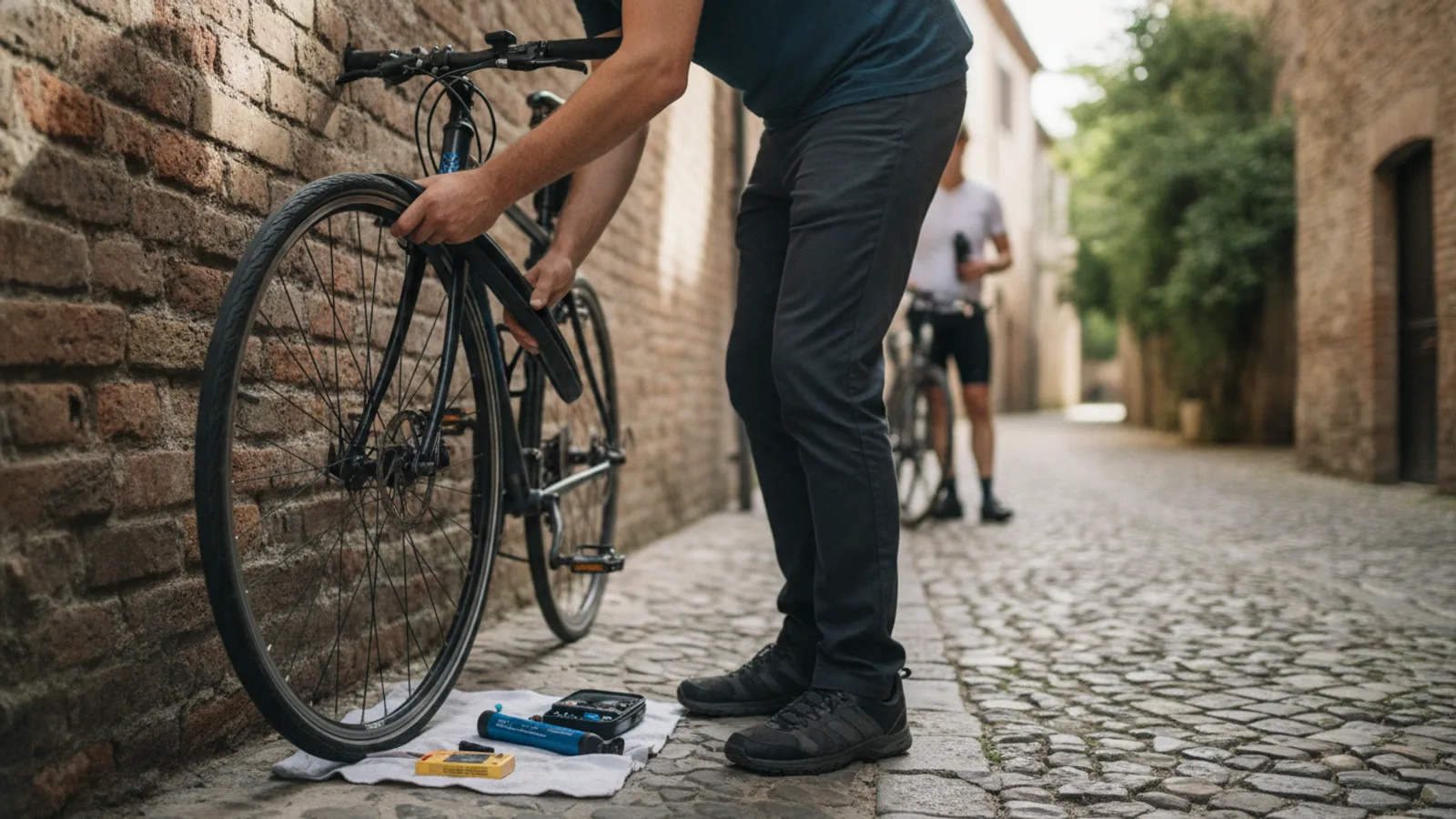
This occurs when the inner tube is pinched between the tire and the rim, often resulting in two small holes resembling a snakebite. It's usually caused by hitting a pothole or curb with insufficient tire pressure, or incorrect installation.
Difficulty Removing or Installing Tires
Some tire and rim combinations can be very tight, making removal and installation a struggle.
Tire Won't Seat Evenly
After inflation, you might notice that a section of the tire bead isn't fully seated against the rim, or part of the inner tube is bulging out.
Slow Air Leak
You find your tire slowly loses pressure over a day or two, but you can't find a visible puncture.
Embedded Debris Causing Repeated Punctures
If you keep getting flats shortly after repairing one, there might be something still stuck in the tire casing.
Advanced Tips for 700c Road Bike Tires
Once you've mastered the basics, these advanced tips can help you get even more out of your 700c road bike tires and enhance your riding experience.
Optimise Tire Pressure for Performance and Comfort
Beyond the basics, true tire pressure optimisation involves fine-tuning for specific conditions and your unique setup. Experiment with a few PSI increments up or down within your tire's range. Lower pressures (within reason) typically offer more comfort, better grip, and less rolling resistance on rougher surfaces. Higher pressures reduce rolling resistance on very smooth roads. Consider using an online tire pressure calculator that factors in rider weight, tire width, and even road conditions for a precise recommendation.
"Tire Boot" for Emergency Sidewall Cuts
If you experience a severe sidewall cut that's too big for a patch, a "tire boot" can save your ride. A tire boot is a strong, flexible patch (often made from old tire sidewalls, duct tape, or a dedicated commercial product) that you place inside the tire, over the cut, between the inner tube and the tire casing. This prevents the tube from bulging through the cut and allows you to inflate it enough to get home. Always replace the tire after using a boot.
Tubeless Sealant for Clinchers (with caution)
While primarily for tubeless setups, some riders will put a small amount of liquid tubeless sealant into a standard clincher inner tube. This can help seal small punctures as they occur. However, it adds weight, can be messy, and isn't a guaranteed fix for larger holes. Ensure the sealant is compatible with inner tubes.
Regular Rim Tape Inspection and Replacement
The rim tape (or rim strip) protects your inner tube from the sharp edges of spoke holes. Over time, it can degrade, shift, or become damaged, leading to mysterious punctures. Regularly remove your tire and tube to inspect the rim tape. Replace it if it's worn, torn, or no longer fully covering the spoke holes. Good quality, high-pressure rim tape is essential, especially for road bike pressures.
Tire Rotation (Limited Application)
The rear tire on a road bike typically wears faster than the front due to weight distribution and propulsion. Some riders choose to rotate their tires (moving the front tire to the rear and putting a new tire on the front) to extend the life of a pair. This is debated, as the front tire is critical for steering and braking, so having the best rubber there is paramount. If you do this, ensure the 'older' front tire still has plenty of life and isn't damaged. A more common practice is simply to replace the rear tire when worn and eventually replace both.
700c Road Bike Tires FAQ
What does "700c" mean?
700c is a designation for a wheel size, commonly used on road bikes, hybrid bikes, and some gravel bikes. The "700" refers to an approximate outer diameter in millimetres, and "c" is simply a historical designation from an old French sizing system. It's essentially the standard 28-inch wheel size for modern performance bicycles.
How often should I replace my 700c road bike tires?
There's no fixed mileage, as it depends on riding style, road conditions, tire quality, and pressure. However, you should replace your tires when you see significant wear (e.g., flat spots, disappearing wear indicators), deep cuts, cracks in the sidewalls, or bulges. For most regular riders, a rear tire might last 2,000-5,000 km, while a front tire can last twice as long. Inspect them regularly as per Step 3.
What's the difference between Presta and Schrader valves?
Presta valves are thinner, typically found on road bikes, and have a small, threaded nut at the top that you unscrew to open the valve. Schrader valves are wider, like car tire valves, and have a spring-loaded pin inside. Presta valves generally handle higher pressures better and require a pump head designed for them (or an adapter).
Can I put wider 700c tires on my road bike?
This depends on your bike's frame and fork clearance. Many modern road bikes can accommodate tires up to 700x28mm or even 700x32mm. Check your bike manufacturer's specifications or visually inspect the clearance around your current tires, fork, and chainstays. Wider tires can offer more comfort and grip but might rub if there isn't enough space.
Are tubeless tires better than clinchers for road bikes?
It depends on your priorities. Tubeless tires offer enhanced puncture protection (sealant handles small holes), potentially lower rolling resistance at the same pressure, and a smoother, more comfortable ride due to lower possible pressures and the absence of a tube. However, they are more complex to install, require tubeless-ready rims and tires, and the sealant needs periodic replenishment. Clinchers are simpler to deal with for roadside repairs and general maintenance.
What's a good tire pressure for my 700c road bike tires?
The "ideal" pressure varies based on your weight, tire width, and riding surface. Always stay within the range printed on your tire's sidewall. A common starting point for a 700x25mm tire is 90-110 PSI (6.2-7.6 BAR), while a 700x28mm might be 80-100 PSI (5.5-6.9 BAR). Heavier riders need more pressure, lighter riders less. Experiment to find what feels best for you within the safe range.
Final Checklist for 700c Road Bike Tires
Before you roll out, use this checklist to ensure your 700c road bike tires are in top condition for a safe and enjoyable ride.
By following these steps and regularly checking your tires, you'll significantly reduce the risk of punctures and improve your overall riding experience. Happy cycling!