How To Change A Bike Tire
A practical step-by-step guide to how to change a bike tire, including preparation, instructions, common issues, tips, and next steps.
How To Change A Bike Tire
This guide explains how to approach how to change a bike tire, including the preparation, practical steps, common mistakes, and final checks that help you finish with confidence.
Before You Start
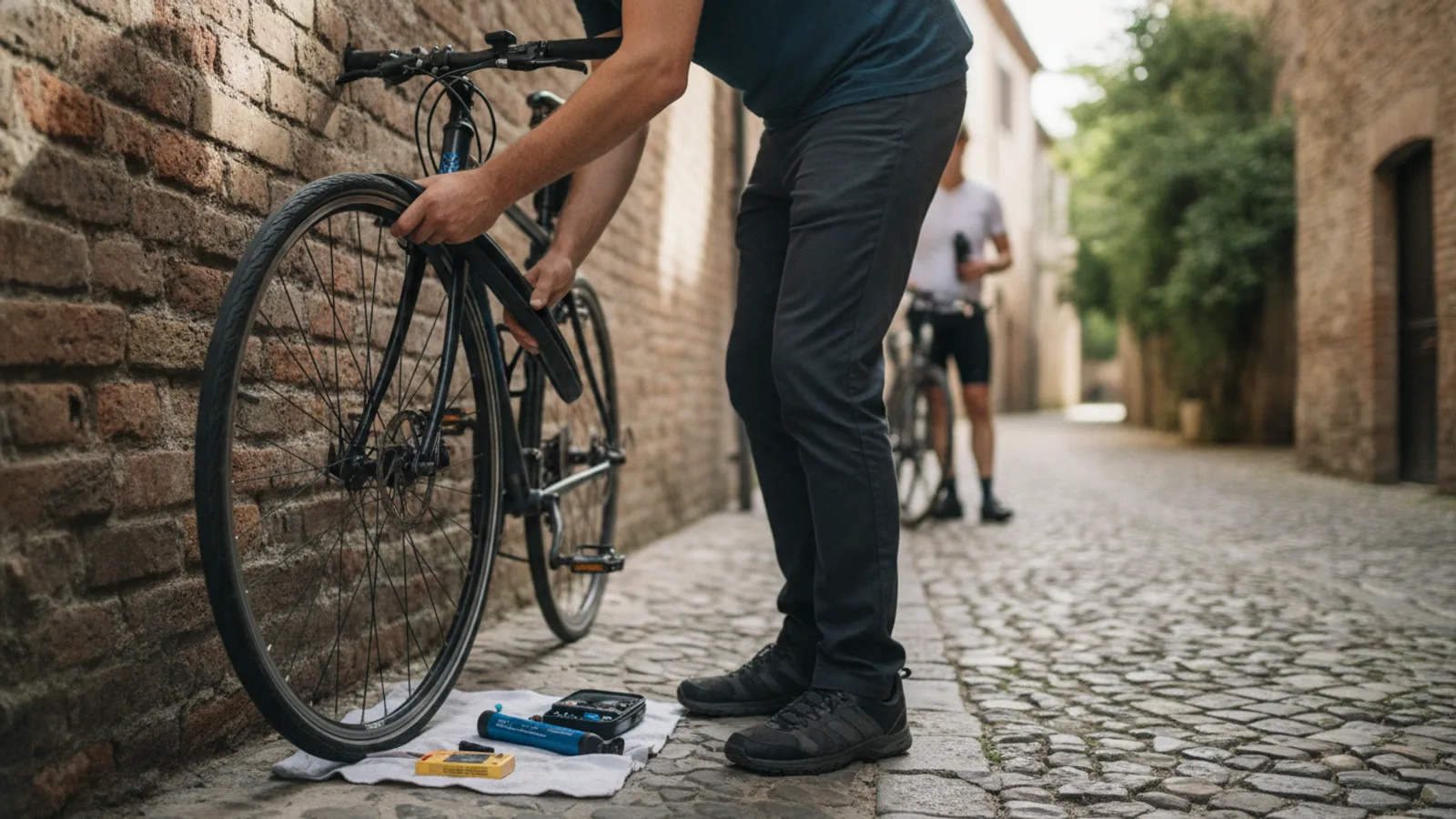
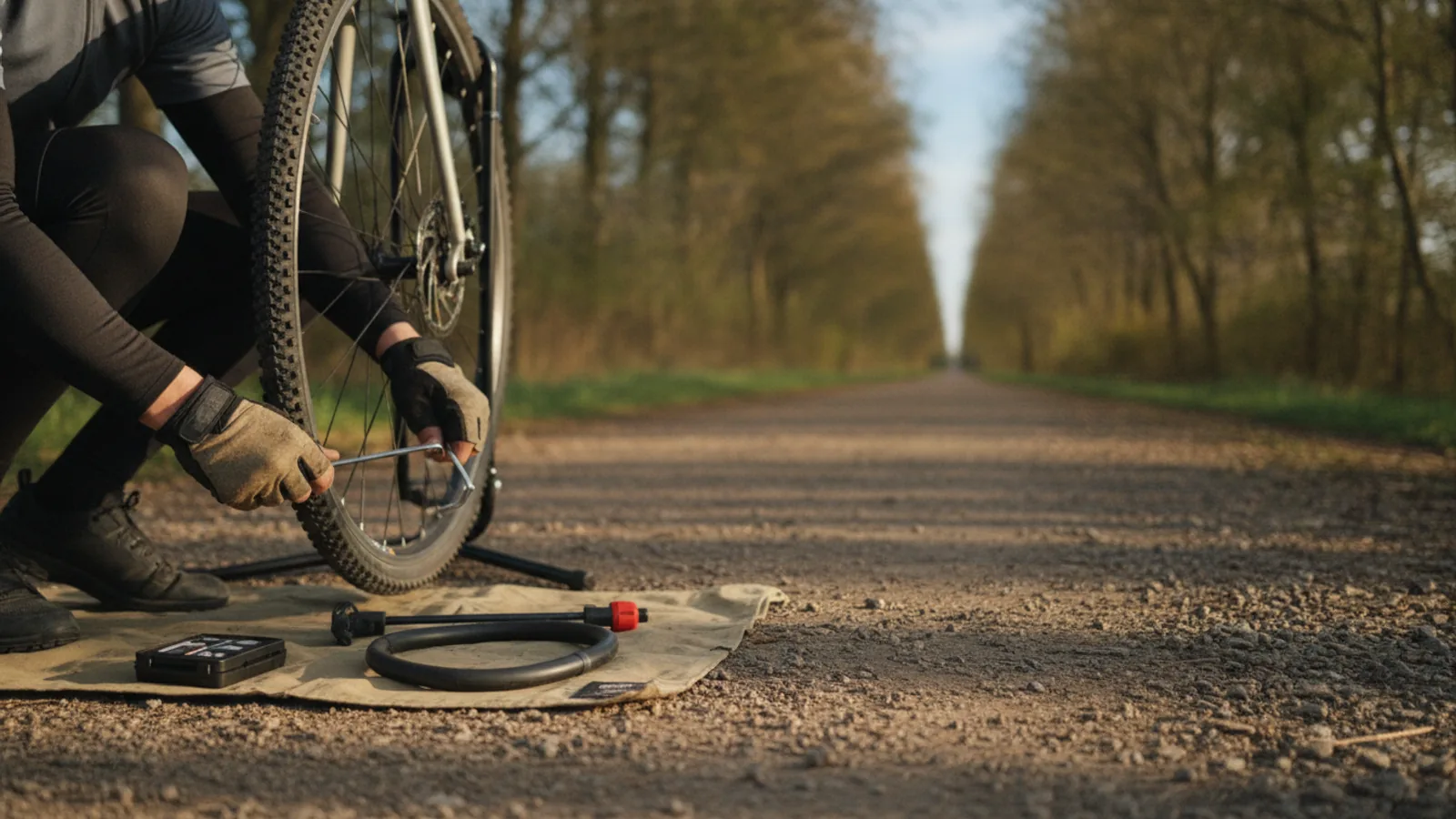
Before you begin, gather all your necessary tools and make sure you understand the basics of your bicycle's wheel attachment. Having everything to hand will make the process smoother and faster, especially if you're dealing with a flat away from home.
If you've suffered a flat on the road, try to move your bicycle to a safe, stable location away from traffic. A quiet side street or a grassy verge is ideal. You'll need enough space to comfortably work around your bike.
Step-by-Step Instructions
Quick Reference
Common Problems When You Change A Bike Tire
Even with practice, changing a bike tyre can present a few common challenges. Knowing what to look out for can save you time and frustration.
Advanced Tips for How To Change A Bike Tire
Once you're comfortable with the basic process of changing a bike tyre, these advanced tips can help improve your speed, efficiency, and prevent future flats.
How To Change A Bike Tire FAQ
Here are some frequently asked questions about changing a bicycle tyre, offering quick answers to common concerns.
How long does it typically take to change a bike tyre?
For a beginner, it might take 15-30 minutes the first few times. With practice, experienced cyclists can often do it in 5-10 minutes, especially for a roadside repair.
Can I just patch the old tube instead of using a new one?
Yes, a puncture repair kit allows you to patch a hole in your old inner tube. This is often more environmentally friendly and cost-effective. However, for quick roadside repairs or if the tube has multiple or large punctures, installing a new tube is usually faster and more reliable.
What if I don't have tyre levers? Can I still change it?
While some very loose tyres can be removed and installed by hand, most require tyre levers. Trying to force a tyre off without levers can damage the tyre bead, the rim, or your hands. It's always best to carry at least two, preferably three, tyre levers with you.
How do I know the correct inner tube size for my bike?
The correct inner tube size is determined by two factors: the wheel diameter and the tyre width. Both are usually printed on the sidewall of your existing tyre (e.g., "700x25c" or "26x2.1"). Your inner tube packaging should show a range that matches these numbers. For example, a 700x25c tyre might use a tube marked "700x20-28c".
What is rim tape and why is it important?
Rim tape is a protective strip (usually cloth or plastic) that covers the spoke holes on the inside of your wheel rim. Its purpose is to prevent the sharp edges of the spoke holes from puncturing your inner tube. Always ensure your rim tape is intact, correctly seated, and covers all spoke holes.
Final Checklist for How To Change A Bike Tire
Before you roll away, a quick final check can prevent headaches down the road. Use this list to confirm everything is safely and correctly in place.
- Is the tyre fully and evenly seated on the rim? (Check the bead line on both sides)
- Is the inner tube inflated to the correct pressure as indicated on the tyre sidewall?
- Is the wheel securely fastened to the bike frame? (Quick-release lever closed, axle nuts tight)
- Are the brakes aligned and not rubbing on the wheel or tyre?
- Is the valve cap replaced to protect the valve stem?
- Did you remove the puncture-causing object from the old tyre?
- Are all your tools packed away securely, ready for your next ride or emergency?
- Have you done a quick test ride in a safe area to confirm everything feels normal?