How Ride Bike
A practical step-by-step guide to how ride bike, including preparation, instructions, common issues, tips, and next steps.
How Ride Bike
This guide explains how to approach how ride bike, including the preparation, practical steps, common mistakes, and final checks that help you finish with confidence.
Before You Start
Before you begin your exciting journey to learn how ride bike, it's crucial to gather the right equipment and ensure your safety. Proper preparation makes the learning process much smoother and more enjoyable.
What You Need
Safety, Timing, or Context Checks
A few quick checks before you roll out can prevent common issues and keep you safe:
Step-by-Step Instructions
Learning how ride bike is often best done by focusing on balance first, before introducing pedals. This "gliding" method is highly recommended for beginners of all ages.
Quick Reference
Common Problems When You How Ride Bike
Learning how ride bike can come with a few bumps and wobbles, but most common problems have simple solutions. Don't get discouraged!
Difficulty with Balance and Falling Over
- Problem: You keep wobbling or falling over, especially when trying to pedal.
- Fix: You're likely trying to pedal too soon. Go back to the "gliding" method. Lower your saddle again and spend more time pushing off with your feet and lifting them to glide. Focus 100% on balance without the pedals. Only reintroduce pedalling when you can consistently glide for several metres with your feet up. Also, ensure you're looking ahead, not down at your wheels.
Struggling to Start Pedalling
- Problem: You push off, but can't get your feet onto the pedals or get enough momentum.
- Fix: Make sure one pedal is at the 2 o'clock position (or slightly higher) before you push off. This gives you a strong initial push. Practice this motion repeatedly. Also, ensure your saddle isn't too low at this stage; a slightly higher saddle gives more leverage for pedalling, though it still needs to be low enough for you to get a foot down easily when stopped.
Uncontrolled Stopping or Hard Braking
- Problem: You stop too suddenly, skid, or struggle to put your feet down gracefully.
- Fix: Always use both brakes gently and evenly. Practice feathering the brakes (lightly squeezing and releasing) to control your speed before coming to a full stop. Before the bike stops completely, anticipate putting one foot down to steady yourself. Avoid grabbing just the front brake aggressively, as this is a common cause of tipping over.
Looking Down and Steering Issues
- Problem: You constantly look at your front wheel or feet, which causes you to wobble and steer poorly.
- Fix: This is a very common beginner habit. Actively force yourself to look ahead to where you want to go, even just 5-10 metres in front of you. Your bike naturally follows your gaze. Practice peripheral vision to be aware of obstacles without staring directly at them. The more you look up, the more stable you'll feel.
Arms and Body are Too Stiff
- Problem: You feel rigid on the bike, which makes it hard to balance and steer.
- Fix: Try to relax your shoulders, arms, and hands. Keep your elbows slightly bent; this acts as suspension and allows your body to subtly shift for balance. A stiff body fights the bike's natural movement, making it harder to stay upright. Take a deep breath and consciously loosen up.
Advanced Tips for How Ride Bike
Once you've mastered the basics of how ride bike, these tips will help you become a more confident and efficient cyclist.
- Look Further Ahead: As you gain experience, extend your gaze further down the road or path. This gives you more time to react to potential hazards, plan your turns, and anticipate changes in terrain or traffic. It's a fundamental skill for defensive riding.
- Practice Regular Maintenance Checks: Learn the "ABC Quick Check" before every ride: Air in tyres, Brakes working, Chain clean and lubed, Quick releases tight. Regularly check your bike for loose bolts, worn tyres, or squeaky brakes. A well-maintained bike is safer and more enjoyable to ride.
- Master Hand Signals: Learn and practice standard hand signals for turning left, turning right, and stopping. Use them consistently to communicate your intentions to other road users and pedestrians. This is vital for road safety.
- Ride Defensively: Assume that other road users (drivers, pedestrians) might not see you. Make eye contact where possible. Be predictable in your movements and maintain a safe distance from parked cars, kerbs, and other vehicles. Position yourself clearly on the road.
- Learn to Stand on Pedals: For small bumps, kerbs, or short climbs, learning to lift yourself slightly off the saddle and stand on the pedals can absorb shock and allow you to put more power down. This also gives your backside a break on longer rides.
- Join a Bike Proficiency Course: Many local councils or cycling organisations offer free or low-cost 'Bikeability' (or similar) training courses. These courses teach you how to ride safely and confidently in traffic, understand road signs, and handle various road conditions. It's an excellent way to boost your confidence for urban cycling.
- Explore Different Terrains: Once comfortable on flat ground, gradually introduce gentle hills, slightly uneven paths, or even very light gravel. This builds confidence in handling your bike in different situations. Always start small and build up.
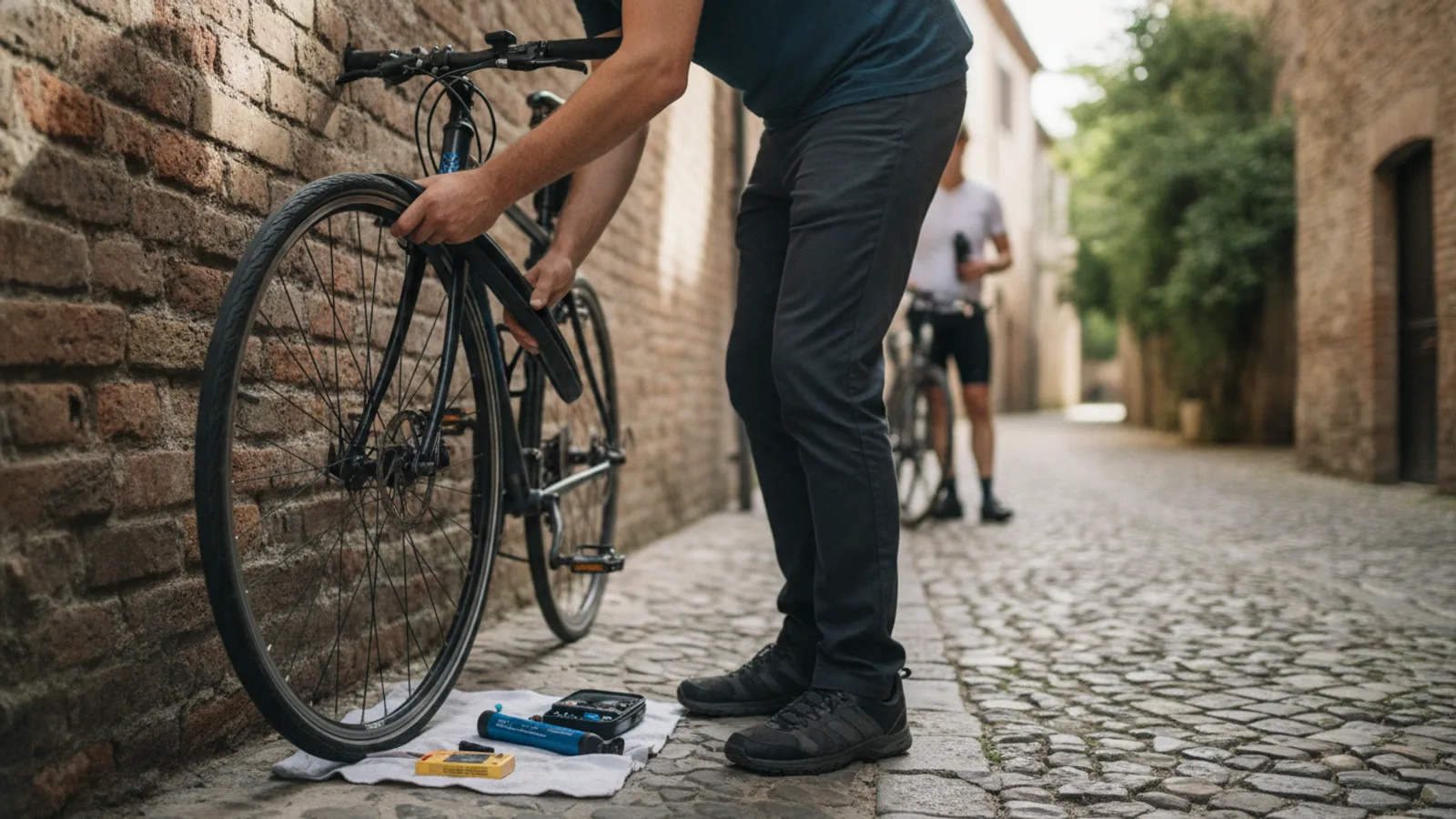
- Carry a Repair Kit: For longer rides, learn how to fix a flat tyre and carry essential tools like a spare inner tube, tyre levers, and a pump. Being self-sufficient adds greatly to your confidence and ability to explore further.
How Ride Bike FAQ
Here are answers to some frequently asked questions about learning how ride bike.
Is it ever too late to learn how ride bike?
Absolutely not! People of all ages, from children to seniors, successfully learn how ride bike. The gliding method, focusing on balance first, is particularly effective for adult learners. Patience and consistent practice are more important than age.
What if I keep falling over?
Falling is a normal part of the learning process. The key is to minimise the impact by learning in a soft, open space and wearing a helmet. If you're consistently falling, revert to the gliding method with your saddle low and feet flat on the ground. Spend more time just pushing off and lifting your feet to balance. Sometimes, a slightly smaller bike can also help, as it feels more controllable.
Can I learn on an electric bike (e-bike)?
Yes, you can. However, for initial learning, it's best to turn off the electric assist completely and treat it like a regular bike. The added weight of an e-bike can make it feel a bit different, but the principles of balance and steering are the same. Once you're confident with the basics, you can gradually introduce the pedal assist.
How high should my saddle be for comfortable riding?
For comfortable and efficient pedalling, your saddle should be adjusted so that when your heel rests on the pedal at its lowest point, your leg is almost straight but with a slight bend in the knee. When you're actually pedalling with the ball of your foot, your knee will have a comfortable bend. If your saddle is too low, it can cause knee pain and make pedalling inefficient.
What's the best way to practice?
Short, frequent practice sessions are often more effective than one long, exhausting session. Aim for 20-30 minutes a few times a week. Focus on one skill at a time (e.g., gliding, then braking, then pedalling). Practice in a completely safe, traffic-free environment until you feel very confident.
How do I make my bike more comfortable?
Comfort is key for enjoyment. Ensure your saddle height is correct. You might also experiment with adjusting the angle of your saddle (level is usually best) or your handlebar position. Padded cycling shorts can also make a big difference, especially on longer rides. Consider ergonomic grips if your hands get sore.
Final Checklist for How Ride Bike
Before you head out on your first independent ride, use this checklist to ensure you're ready and safe.
- Bike Checked:
- Helmet On and Fitted:
- Comfortable & Visible Clothing:
- Safe Riding Environment Chosen:
- Confidence in Core Skills:
- Awareness of Surroundings:
Congratulations on learning how ride bike! The road to confident cycling is a continuous journey, but you've mastered the essential first steps. Keep practising, stay safe, and enjoy the freedom and health benefits that cycling offers. Happy riding!