How Do You Change A Bike Tyre
A practical step-by-step guide to how do you change a bike tyre, including preparation, instructions, common issues, tips, and next steps.
How Do You Change A Bike Tyre
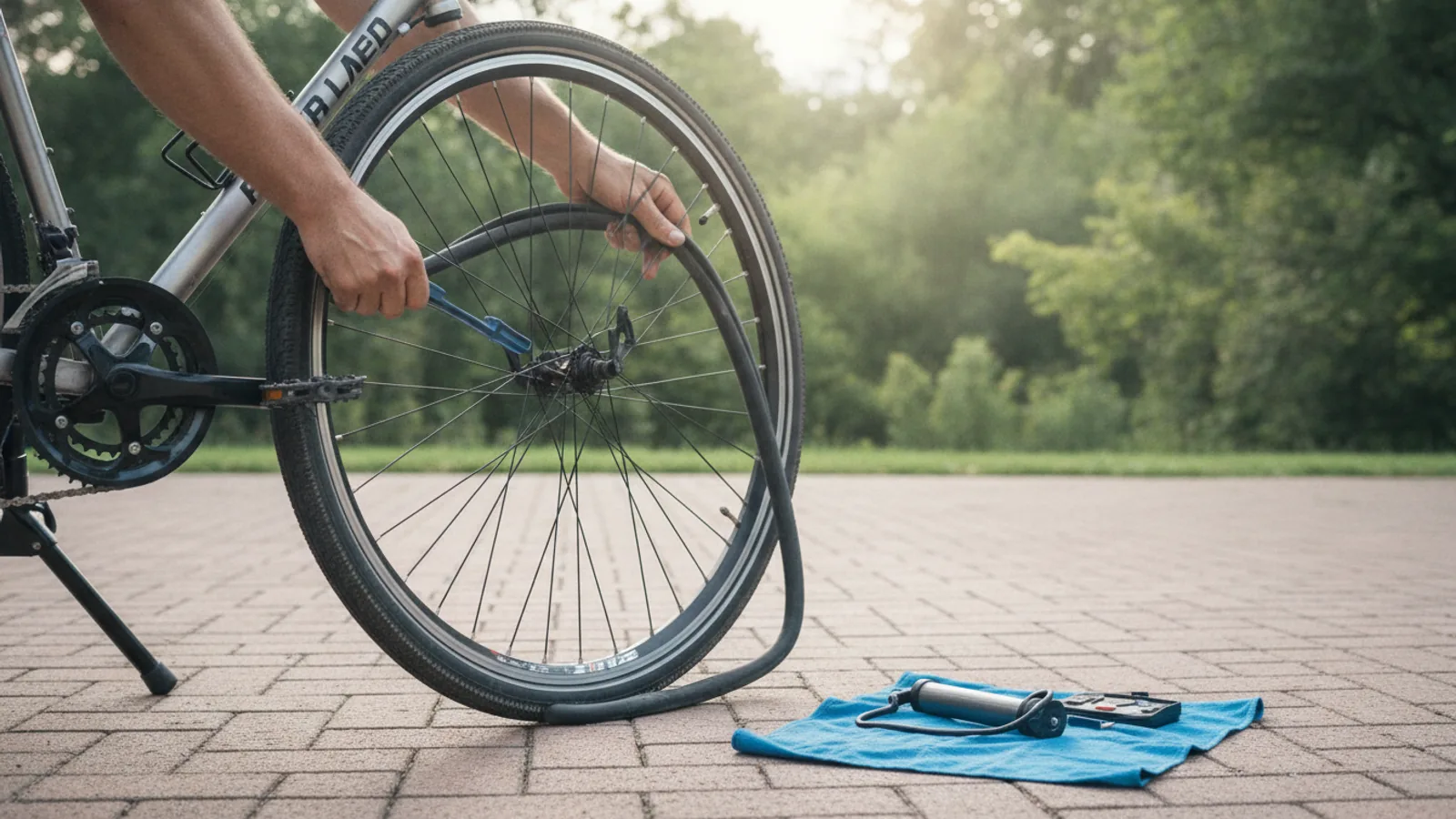
This guide explains how to approach how do you change a bike tyre, including the preparation, practical steps, common mistakes, and final checks that help you finish with confidence.
Before You Start
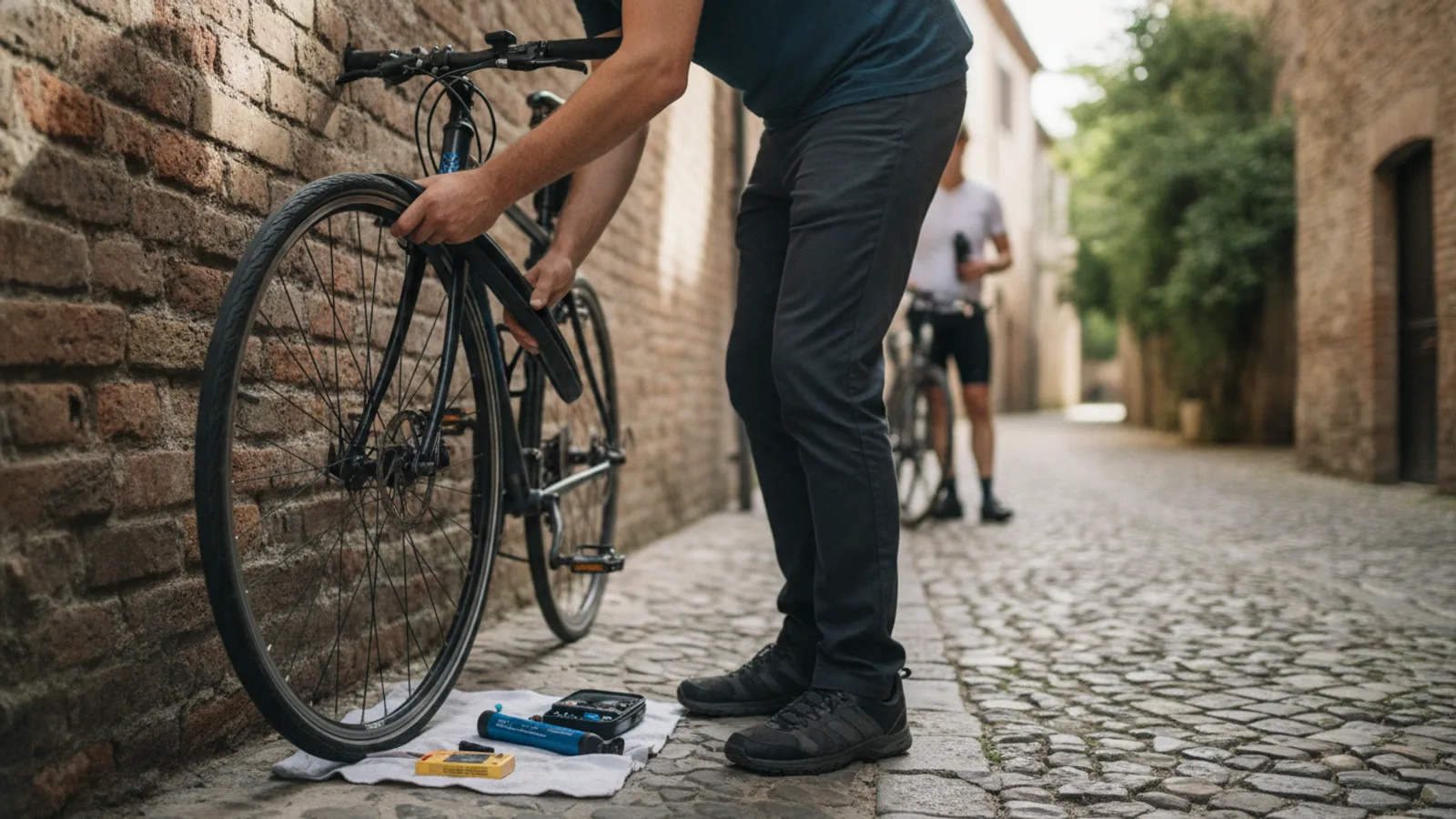
Before you begin, gather the necessary tools and ensure you understand the type of equipment your bike uses. Having everything ready will make the process much smoother.
Safety, Timing, or Context Checks
Step-by-Step Instructions
Quick Reference
Common Problems When You Change A Bike Tyre
Even with practice, you might encounter a few common issues when changing a bike tyre. Knowing what to look for can save you time and frustration.
- Tyre is too tight to get on or off: Some tyres, especially new ones or those with tight bead designs (like tubeless-ready tyres), can be very difficult.
- Pinching the new inner tube: You've just replaced the tube, but it's flat again immediately! This is often due to a "pinch flat," where a tyre lever nips the tube during installation, or the tube gets trapped between the tyre bead and the rim.
- Can't find the original puncture source: You've changed the tube, but what if the object that caused the flat is still in the tyre?
- Tyre bead won't seat properly: After inflation, part of the tyre bead might look like it's not fully engaged with the rim, creating a bulge or an inconsistent line.
- Valve stem is crooked or damaged: If the valve stem isn't sitting straight, it can tear the tube or make pumping difficult.
Advanced Tips for How Do You Change A Bike Tyre
Once you've mastered the basics, these tips can further refine your technique and prepare you for various scenarios.
- Practise at home: Don't wait for a flat out on a trail or road. Practise changing a tyre in a comfortable environment a few times. This builds muscle memory and helps you troubleshoot without the pressure of being stranded.
- Carry a spare tube AND a patch kit: While a spare tube is quickest for a roadside fix, a patch kit is invaluable if you get a second flat or want to repair the original tube later. They are small and light, taking up minimal space.
- Using CO2 inflators: These small cartridges provide rapid inflation, ideal for quick roadside repairs. Always read the instructions, as CO2 inflators can be very cold and require careful handling. Remember to carry multiple cartridges if you opt for CO2 over a pump.
- Talcum powder for tubes: A small amount of talcum powder dusted inside the tyre casing before installing the new tube can reduce friction. This helps the tube settle evenly inside the tyre and can prevent it from sticking, which might lead to fewer pinch flats.
- Pre-ride tyre checks: Regularly check your tyre pressure before each ride. Correct pressure reduces rolling resistance, improves handling, and significantly lowers the risk of pinch flats. Also, give your tyres a quick visual inspection for embedded glass or thorns. Removing them early can prevent a flat.
- Knowing your tyre's rotation direction: Some tyres are directional. Look for an arrow on the sidewall indicating the recommended direction of rotation. While not critical for puncture repair, it ensures optimal grip and tyre wear.
- Carry a robust pump: While compact pumps are great for emergencies, a larger floor pump at home with a pressure gauge is essential for accurate and easy inflation to recommended pressures.
How Do You Change A Bike Tyre FAQ
Final Checklist for How Do You Change A Bike Tyre
Before you hit the road again, run through this quick checklist to ensure everything is secure and safe.
- Tyre fully seated on both sides of the rim with no bulges?
- Inner tube not visible or pinched anywhere between the tyre and rim?
- Valve stem straight and secure (Presta nut tightened)?
- Tyre inflated to the correct pressure (within recommended range on sidewall)?
- Wheel securely installed on the bike (quick release or thru-axle/nuts tightened)?
- Brakes properly re-engaged and working correctly?
- Wheel spinning freely without rubbing the brakes or frame?
- All tools packed away and ready for your next adventure?
- Take a short, cautious test ride to confirm everything feels right.
FAQ
What should I check before I start?
Check the goal, the key prerequisite, and any current instructions that could change the safest next step for how do you change a bike tyre.
How can I tell whether the result is working?
Use the practical checks in the guide, pause if a required step is unclear, and verify the finished result against the intended outcome.