How Do I Teach My Son To Ride A Bike
A practical step-by-step guide to how do i teach my son to ride a bike, including preparation, instructions, common issues, tips, and next steps.
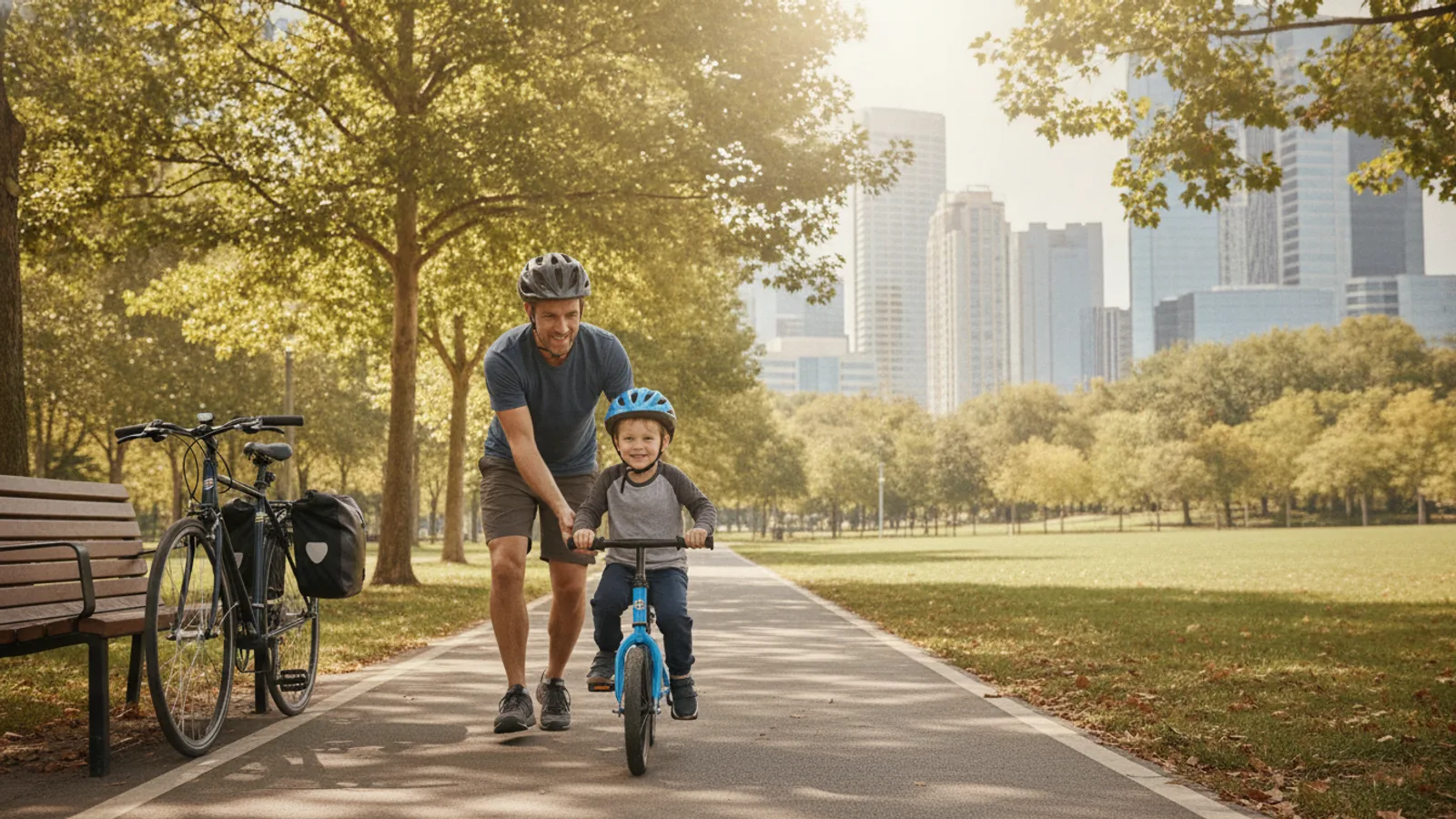
How Do I Teach My Son To Ride A Bike
This guide explains how to approach how do i teach my son to ride a bike, including the preparation, practical steps, common mistakes, and final checks that help you finish with confidence.
Before You Start
Before embarking on this cycling journey, ensuring you have the right equipment and a suitable environment is crucial. Proper preparation can significantly boost your son's confidence and make the learning process smoother and safer for everyone involved.
What You Need
Safety, Timing, or Context Checks
A few quick checks before you begin can prevent common setbacks and ensure a safe, positive start:
How to Teach Your Son to Ride a Bike
Step-by-Step Instructions
Quick Reference
Common Problems When You Teach Your Son To Ride A Bike
Even with the best preparation and method, learning to ride a bike can present a few hurdles. Understanding these common problems and knowing how to address them can save a lot of frustration for both you and your son.
- Fear of falling: This is perhaps the most common barrier. Even with a helmet and pads, the instinct to fall can be strong.
- Looking down at his feet or the front wheel: Many children focus on the immediate mechanics, causing them to wobble and lose direction.
- Difficulty balancing, even without pedals: If he's struggling with the gliding phase, it suggests he hasn't fully grasped the balance concept.
- Pedalling issues after balance is achieved: Some children find it hard to coordinate the push-off, foot placement, and continuous pedalling.
- Frustration and giving up: Learning can be tough, and both you and your son might get frustrated.
- Over-reliance on you for support: If you're consistently holding onto the bike or him, he's not learning independent balance.
Advanced Tips for How Do I Teach My Son To Ride A Bike
Once your son has mastered the basics, these advanced tips can help refine his skills, build confidence, and ensure he enjoys cycling for years to come.
- Vary the terrain (safely): Once comfortable on flat ground, introduce very gentle, smooth inclines and declines. Riding up a slight hill teaches him to push harder and maintain momentum. Riding down a gentle slope helps him experience higher speeds and control, reinforcing braking skills. Always ensure these areas are free from hazards.
- Set up obstacle courses: Use cones, chalk, or even small toys to create a simple obstacle course. This encourages precise steering, introduces turning at different angles, and improves spatial awareness. Challenge him to weave, make U-turns, or stop at specific points.
- Practise shoulder checks: Introduce the concept of looking over his shoulder before turning or changing direction, a crucial skill for safe road cycling later. Start by having him practise looking back without swerving.
- Riding with a partner: Once he's proficient, encourage him to ride alongside you or another confident cyclist. This provides a sense of pace, demonstrates good road positioning (even on paths), and makes riding a social activity.
- Introduce gear shifting (if applicable): If his bike has gears, explain how they work and when to use them. Start with a simple explanation of easier gears for hills and harder gears for flats. Practise shifting while stationary, then on the move.
- Focus on cadence: Encourage him to pedal smoothly and consistently, maintaining a steady cadence rather than mashing big gears or spinning wildly. A smooth pedal stroke is more efficient and controlled.
- Emphasise anticipation: Teach him to look several metres ahead, not just at the ground directly in front of his wheel. Anticipating obstacles, turns, or other people allows for smoother reactions and safer riding.
- Regular bike maintenance checks: Involve him in simple bike checks. Teach him how to check tyre pressure, brake function, and chain cleanliness. This builds responsibility and understanding of his equipment.
- Explore different bikes: As he grows and develops, consider introducing him to different types of cycling – perhaps a mountain bike for off-road trails, or a road bike for longer distances. This keeps his interest alive and broadens his cycling horizons.
How Do I Teach My Son To Ride A Bike FAQ
What is the best age to teach a child to ride a bike?
While children can often learn as early as 3-4 years old with a balance bike, the ideal age for transitioning to a pedal bike using the balance-first method is typically between 4 and 8 years old. Readiness is more important than age; look for signs of good coordination, a desire to learn, and the ability to listen to instructions.
Should I use stabilisers (training wheels)?
It is generally recommended to avoid stabilisers. While they provide initial support, they prevent children from learning how to balance on their own. Children using stabilisers often learn to lean on the stabilisers rather than naturally counter-steering. The "balance-first" method, where pedals are removed and the child learns to glide, has proven far more effective and results in a quicker, more intuitive learning process for true two-wheeled balance.
How long does it typically take to learn to ride a bike?
The time varies greatly depending on the child's readiness, previous experience (e.g., with a balance bike), and consistency of practice. Many children can learn to balance and pedal independently within 2-4 dedicated sessions of 30-60 minutes each, spread over a few days or weeks. Some may pick it up in an afternoon, while others might need several weeks of shorter sessions. Patience is key.
What if my son is scared or nervous?
Fear is a natural part of learning something new. Start with very short, positive sessions. Ensure his helmet and pads are comfortable and properly fitted to boost his sense of security. Never force him to continue if he's upset. Take frequent breaks, play a game, or switch to a different activity. Reassure him that it's okay to fall and that you're there to help. Focus on small, achievable steps, celebrating every tiny success.
What if my son already uses stabilisers and is struggling?
If your son is struggling with stabilisers, remove them! Remove the stabilisers and the pedals, then lower the seat so his feet are flat on the ground. Effectively, convert his bike into a balance bike and restart the process from the "Walk and Scoot" phase (Step 2). This will allow him to unlearn the reliance on stabilisers and develop true balance skills.
Do I need to run alongside him constantly?
Initially, you'll need to be very close, offering verbal encouragement and perhaps a gentle hand on his back for reassurance. However, as he progresses, gradually reduce your physical contact. The goal is for him to find his own balance. Running alongside for extended periods can hinder his independent learning. Trust the process and let him discover his own centre of gravity.
Final Checklist for How Do I Teach My Son To Ride A Bike
Before you call the lesson complete, run through this final checklist to ensure your son is set up for continued success and enjoyable cycling adventures.
- Bike is the correct size and mechanically sound (tyres, brakes, chain).
- Helmet is properly fitted and worn every time he rides.
- He can comfortably start, pedal, steer, and stop independently.
- He demonstrates an understanding of looking ahead and being aware of his surroundings.
- He can use hand brakes effectively for controlled stopping.
- He feels confident and enjoys riding his bike.
- He understands basic bike safety rules for your local area (e.g., staying to the left, looking out for others).
- You have discussed when and where it is safe for him to ride his bike.
- You've celebrated his achievement and reinforced his hard work.
- Regular, short practice sessions are planned to solidify new skills.