How Do I Measure Bicycle Frame Size
A practical step-by-step guide to how do i measure bicycle frame size, including preparation, instructions, common issues, tips, and next steps.
How Do I Measure Bicycle Frame Size
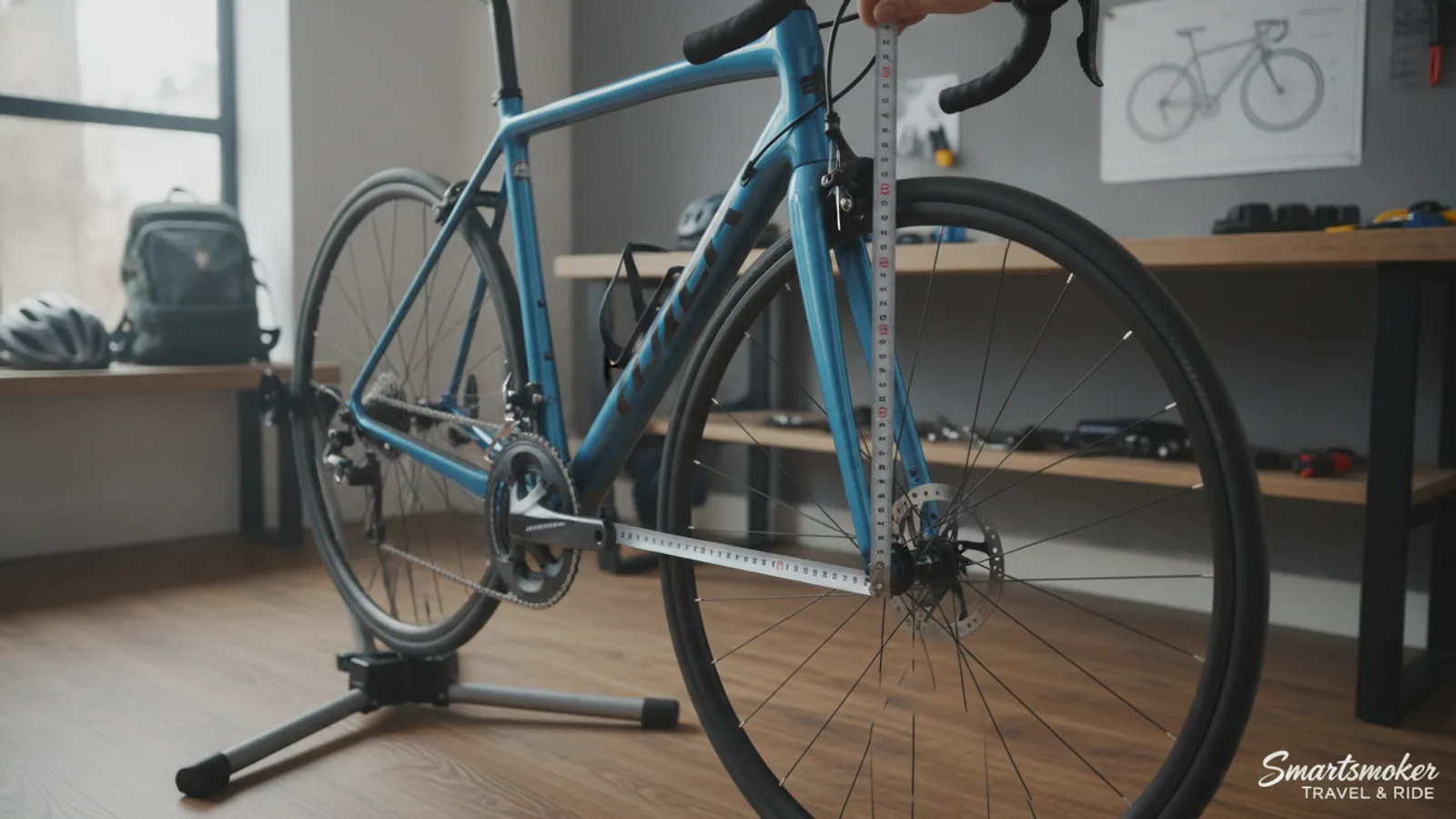
This guide explains how to approach how do i measure bicycle frame size, including the preparation, practical steps, common mistakes, and final checks that help you finish with confidence.
Before You Start
Before you dive into measuring, gather your tools and understand a few key considerations. Accurate measurements are crucial for finding the perfect bike fit.
Additionally, consider the type of bike you're interested in. Road bikes, mountain bikes, and hybrid bikes often have different frame geometries and sizing conventions, even for the same rider height. This guide will help you navigate these differences.
Step-by-Step Instructions
Quick Reference
Common Problems When You Measure Bicycle Frame Size
Even with careful steps, issues can arise. Knowing common pitfalls helps you avoid or correct them for an accurate measurement.
Inaccurate Inseam Measurement
Problem: Not pushing the book/straight edge firmly enough, holding the tape measure at an angle, or wearing bulky clothes.
Fix: Ensure the straight edge is snug against your crotch, parallel to the floor. Hold the tape measure perfectly vertical from the top of the straight edge to the floor. Repeat the measurement a few times, perhaps taking an average, and ensure you're wearing minimal clothing (cycling shorts or underwear).
Confusing Centre-to-Centre (C-C) with Centre-to-Top (C-T)
Problem: Using the C-C measurement when the manufacturer specifies C-T, or vice versa, leading to an incorrect interpretation of frame size.
Fix: Always double-check the manufacturer's geometry chart for the specific bike model. It will clearly state whether their frame size corresponds to C-C or C-T, or if they use another method entirely. When measuring your own bike, be sure to note which method you applied.
Ignoring Bike Type Differences
Problem: Applying a road bike frame size calculation or sizing chart to a mountain bike, or vice-versa.
Fix: Remember that different bike types have different geometries for different riding styles. Road bikes often have a higher standover height and more aggressive geometry than mountain bikes. Use the correct multiplier for your inseam calculation (e.g., 0.67 for road, 0.62 for MTB) and always consult the specific sizing chart for the bike *type* you're considering.
Only Relying on Letter Sizing (S, M, L)
Problem: Assuming a "Medium" in one brand or model will fit the same as a "Medium" in another.
Fix: While letter sizing is convenient, it's not standardised. Always look beyond the S/M/L label to the actual numerical measurements provided in the geometry chart. Compare the seat tube length, top tube length, standover height, and ideally Stack and Reach figures. Two different "Medium" bikes can have quite different dimensions.
Forgetting Standover Clearance
Problem: Choosing a bike where the top tube is too high, meaning you have no clearance when straddling the bike.
Fix: Your standover height (your inseam) should ideally be at least 5-10 cm greater than the bike's actual standover height (the height of the top tube from the ground). This clearance is vital for safety, especially when you need to dismount quickly or come to a sudden stop.
Advanced Tips for Measuring Bicycle Frame Size
Beyond the basics, these tips can help you fine-tune your frame size selection and ensure a truly exceptional riding experience.
Prioritise "Reach" Over "Stack" for Performance
While both Stack and Reach are crucial, for performance-oriented cyclists (e.g., road racing, aggressive trail riding), Reach is often considered the more critical measurement. It dictates how stretched out you'll be on the bike and how responsive the steering will feel. You can more easily adjust for Stack (by adding or removing headset spacers) than for Reach (which requires a stem change, but only to a limited extent).
Consider Your Riding Style and Flexibility
Your ideal frame size isn't just about static measurements; it's also about how you intend to ride and your physical capabilities. If you're less flexible or prefer a more relaxed, upright position for long-distance touring or commuting, you might lean towards a bike with a slightly higher stack or shorter reach. If you're racing or seeking maximum aerodynamic efficiency, a longer reach and lower stack might be preferred. Don't force yourself into an aggressive geometry if it causes discomfort.
Test Ride Whenever Possible
No amount of measurement and chart comparison can fully replace a real-world test ride. If you're able to, try out different sizes of the bike you're interested in. Pay attention to how the bike feels when you pedal, steer, and stop. Does it feel nimble? Stable? Comfortable? A short spin around the car park can reveal more than hours of number crunching.
Consult a Professional Bike Fitter
For significant investment in a new bike, or if you frequently experience discomfort or pain while riding, a professional bike fit is highly recommended. These specialists use advanced tools and expertise to analyse your body's unique biomechanics and match you to a bike that perfectly suits your needs. They can also provide exact measurements for Stack and Reach and advise on ideal component choices (saddle, stem, handlebars).
Account for Component Adjustments
Remember that frame size is just the starting point. Many components can be adjusted to fine-tune your fit:
How Do I Measure Bicycle Frame Size FAQ
Here are answers to some common questions about measuring bicycle frame size.
Q: Why is getting the correct frame size so important?
A: A correctly sized bicycle is crucial for several reasons: comfort (prevents aches and pains), efficiency (allows you to pedal powerfully without wasted energy), safety (better control and handling, especially in emergencies), and injury prevention (reduces strain on joints and muscles). An ill-fitting bike can lead to discomfort, fatigue, and even chronic injuries over time.
Q: Can I use a frame that's slightly too big or too small?
A: While minor adjustments (like changing stem length or seatpost height) can compensate for slight discrepancies, a frame that's significantly too big or too small will always compromise your ride. A bike that's too big can make you feel stretched out and unstable, reducing control. A bike that's too small might feel cramped and limit your ability to generate power. It's generally easier to make a slightly smaller frame fit better than a slightly larger one.
Q: Do women's specific bikes use different sizing?
A: Women's specific bikes often feature different frame geometries designed to better suit average female anatomy, which typically includes proportionally shorter torsos and longer legs compared to men of the same height. This often translates to frames with shorter top tubes and higher stack heights. However, the fundamental principles of measuring your inseam and comparing against the manufacturer's specific geometry chart still apply. Many brands now offer unisex sizing, but it's always worth checking the specific model's details.
Q: What if I'm between two frame sizes on a manufacturer's chart?
A: If you find yourself exactly between two recommended sizes, many experts advise opting for the smaller frame size. It's generally easier to make a smaller frame feel larger (by adjusting the seatpost height, using a longer stem, or a setback seatpost) than it is to make a larger frame feel smaller. A slightly smaller frame can also feel more agile and responsive, while a slightly larger frame might feel cumbersome and stretched.
Q: Does wheel size affect frame size measurements?
A: Wheel size (e.g., 26-inch, 27.5-inch, 29-inch for MTBs; 700c for road) does not directly change how you measure the frame itself (e.g., seat tube length, Stack, Reach). However, wheel size is a crucial factor in a bike's overall geometry and how it rides. For instance, a 29-inch wheeled mountain bike will typically have a higher overall height than a 27.5-inch wheeled bike, even if the frame's traditional measurement is the same. Always consider wheel size in conjunction with frame size for the complete picture.
Final Checklist for How Do I Measure Bicycle Frame Size
Before you commit to a new bike or finalise your current bike's setup, run through this checklist to ensure you've covered all the important steps for accurate frame sizing.
By following these steps, you'll be well-equipped to choose a bicycle that truly fits you, enhancing your comfort, control, and enjoyment on every ride.